
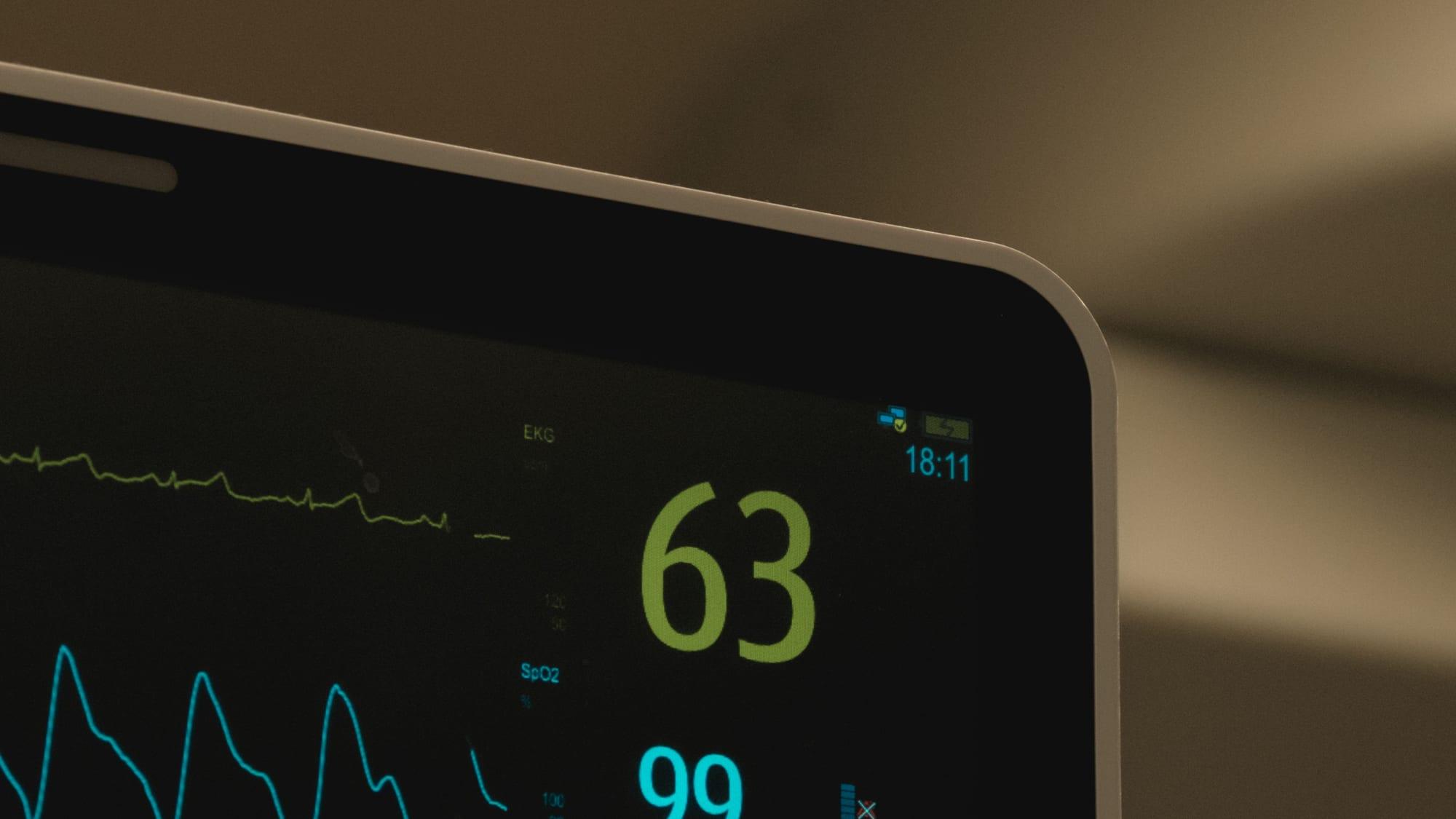
Atrial fibrillation (AF) is the most common sustained heart rhythm disorder, arising from rapid and irregular electrical activity in the heart's atria. AF ablation is a catheter-based treatment performed in the electrophysiology laboratory to reduce the frequency and duration of atrial fibrillation episodes; in most patients, the foundation of the treatment is pulmonary vein isolation. This article covers who AF ablation may be considered for, how it is performed, and how the process proceeds after the procedure.
What Is Atrial Fibrillation?
In atrial fibrillation, the heart's atria quiver with rapid and irregular electrical activity instead of contracting regularly; this causes the heart rhythm to become irregular. It may present with symptoms such as palpitations, fatigue, shortness of breath, or reduced exercise capacity, or in some patients it may be detected during a routine checkup without causing any symptoms.
What Is AF Ablation?
AF ablation aims to block the abnormal electrical conduction between the pulmonary veins and the heart's left atrium; this procedure is called pulmonary vein isolation and forms the foundation of the treatment. Different energy methods, such as radiofrequency energy or cryo-balloon (freezing) technology, may be used during the procedure; the choice of method is made based on the patient's anatomy and the physician's assessment.
Who Is AF Ablation Considered For?
AF ablation may be considered in atrial fibrillation patients whose symptoms persist despite medication or who cannot tolerate medication, in order to contribute to rhythm control. The decision on suitability is made by reviewing the type of rhythm disorder (paroxysmal or persistent), its duration, and the patient's general health status together.
Pre-Procedure Evaluation
Before the procedure, the patient's rhythm recordings (ECG, Holter ECG), echocardiography results, and general heart health status are evaluated together. In many cases, an Electrophysiological Study (EPS) is performed in the same session as the ablation to map the heart's electrical activity.
How Is the Procedure Performed?
The procedure is performed in the electrophysiology laboratory, typically via catheters advanced from the groin area, under sedation or anesthesia. First, the heart's electrical activity is mapped with specialized catheters, then ablation is applied to the areas causing the rhythm disorder.
AF ablation generally takes 60-90 minutes, and patients are usually discharged the following day; the procedure duration and hospital stay can vary depending on the extent of the ablation and the patient's clinical condition.
The Process After the Procedure
After the procedure, the patient is kept under observation for a while, with rhythm, blood pressure, and the access site monitored regularly. In the first weeks, some patients may experience brief episodes of palpitations; this is evaluated by the physician and does not by itself mean the procedure was unsuccessful.
After discharge, it is important to attend the scheduled follow-up appointment on time and to take prescribed medications regularly (including blood thinners, if any); any medication changes should be made in consultation with the physician.
When Should You See a Doctor?
If any of the situations below are noticed, it is recommended to contact your physician or the nearest emergency department.
- Increasing swelling, persistent bleeding, or spreading bruising at the access site (usually the groin)
- Fever or redness/discharge at the access site
- Chest pain or shortness of breath
- Prolonged, strong, and uncomfortable palpitations
- Dizziness or a feeling of fainting
Frequently asked questions
AF ablation is an interventional electrophysiology procedure in which the areas causing irregular electrical signals in the heart are targeted via catheter; the goal is to neutralize the electrical foci causing atrial fibrillation and contribute to rhythm control.
It may be considered in patients whose symptoms persist despite medication or who cannot tolerate medication, and whose type of rhythm disorder and general health status are found suitable.
The procedure is performed in the electrophysiology laboratory with catheters advanced from the groin area, usually under sedation or anesthesia; the heart's electrical activity is mapped, and the areas causing the rhythm disorder are treated with ablation.
In many cases, an Electrophysiological Study (EPS) is performed in the same session as the ablation procedure to map the heart's electrical activity.
The procedure generally takes 60-90 minutes, and patients are usually discharged the following day; the duration can vary depending on the patient's clinical condition.
In the first weeks, some patients may experience brief episodes of palpitations. This is evaluated by the physician; if palpitations are prolonged or uncomfortable, seeing a physician is recommended.