
What is ECG – Electrocardiogram
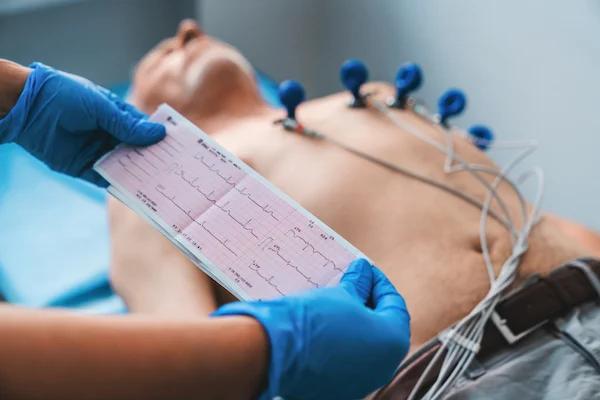
A quick, painless test that records the electrical activity of the heart and helps detect abnormal rhythms, conduction problems, and signs of heart disease.
A quick, painless test that records the electrical activity of the heart and helps detect abnormal rhythms, conduction problems, and signs of heart disease.
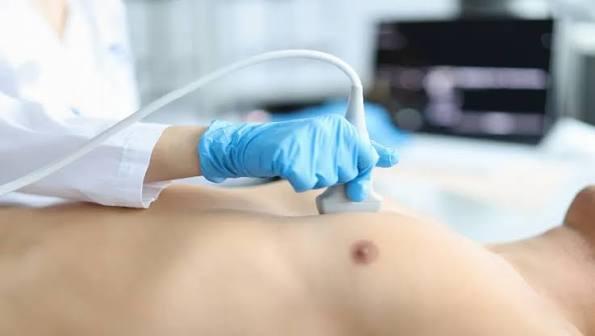
An ultrasound examination of the heart that evaluates heart chambers, pumping function, heart valves, blood flow, and other structural abnormalities.
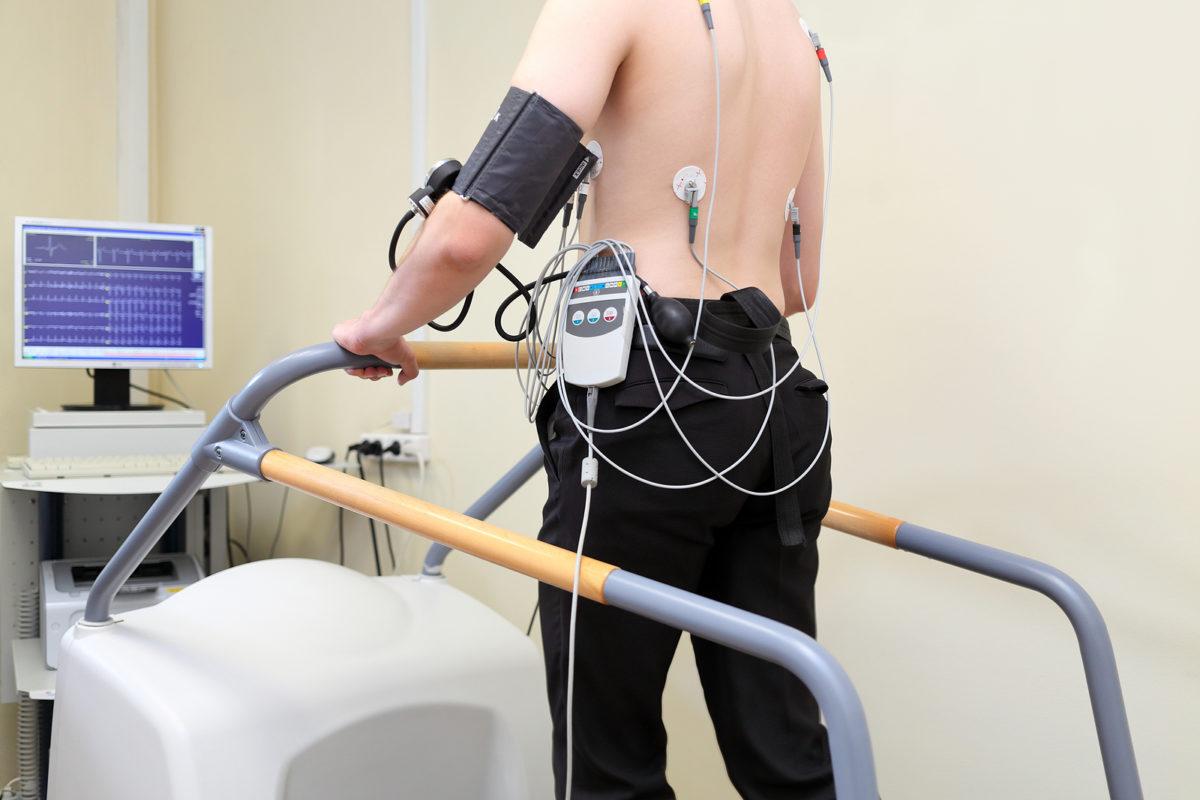
A treadmill-based test used to assess how the heart responds to physical exercise and to evaluate selected patients for exercise-induced ischemia or abnormal heart rhythms.
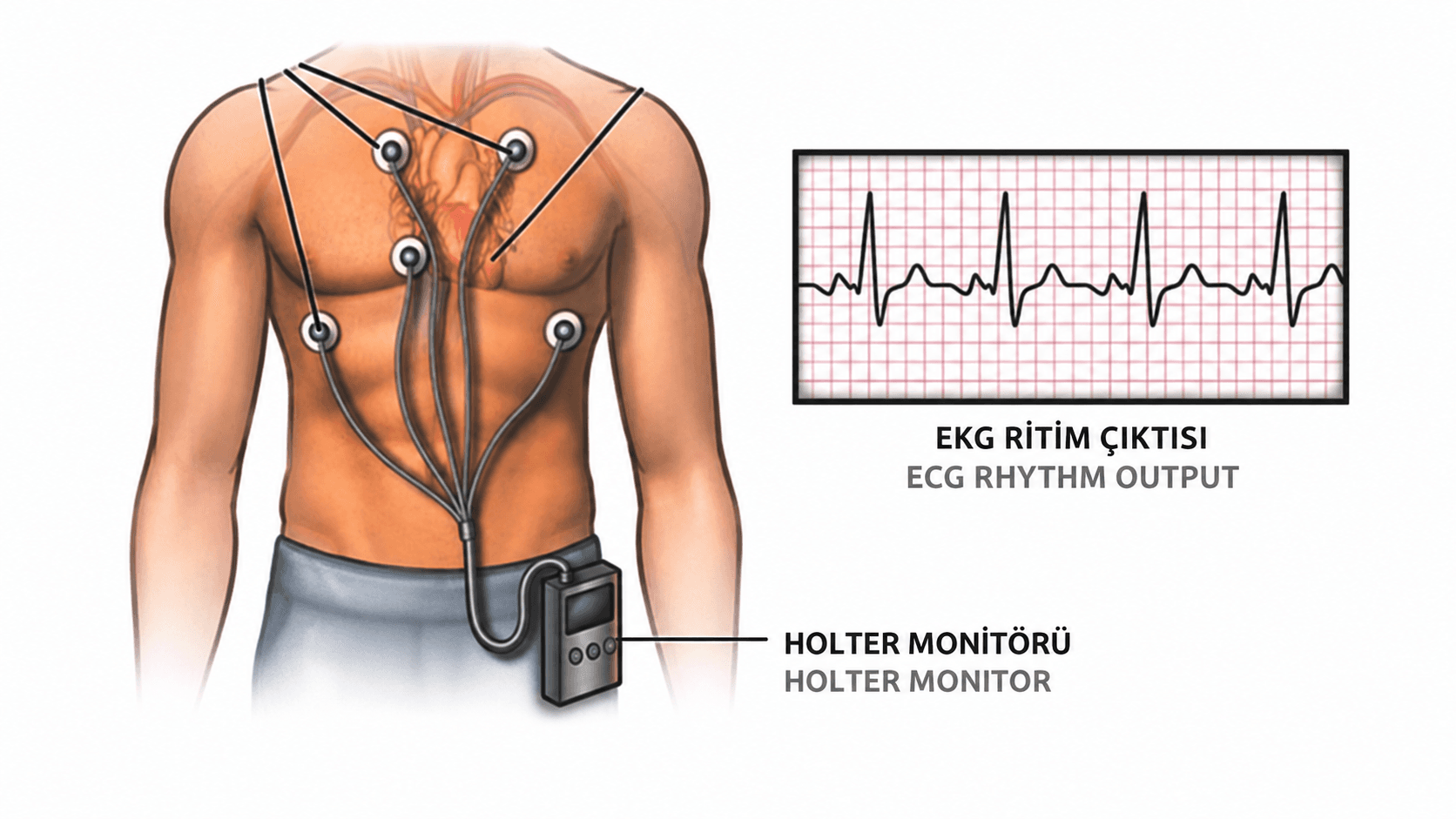
A portable ECG monitor that continuously records the heart rhythm, usually for 24–72 hours or longer when necessary. It is particularly useful for investigating palpitations, dizziness, fainting, and intermittent arrhythmias.
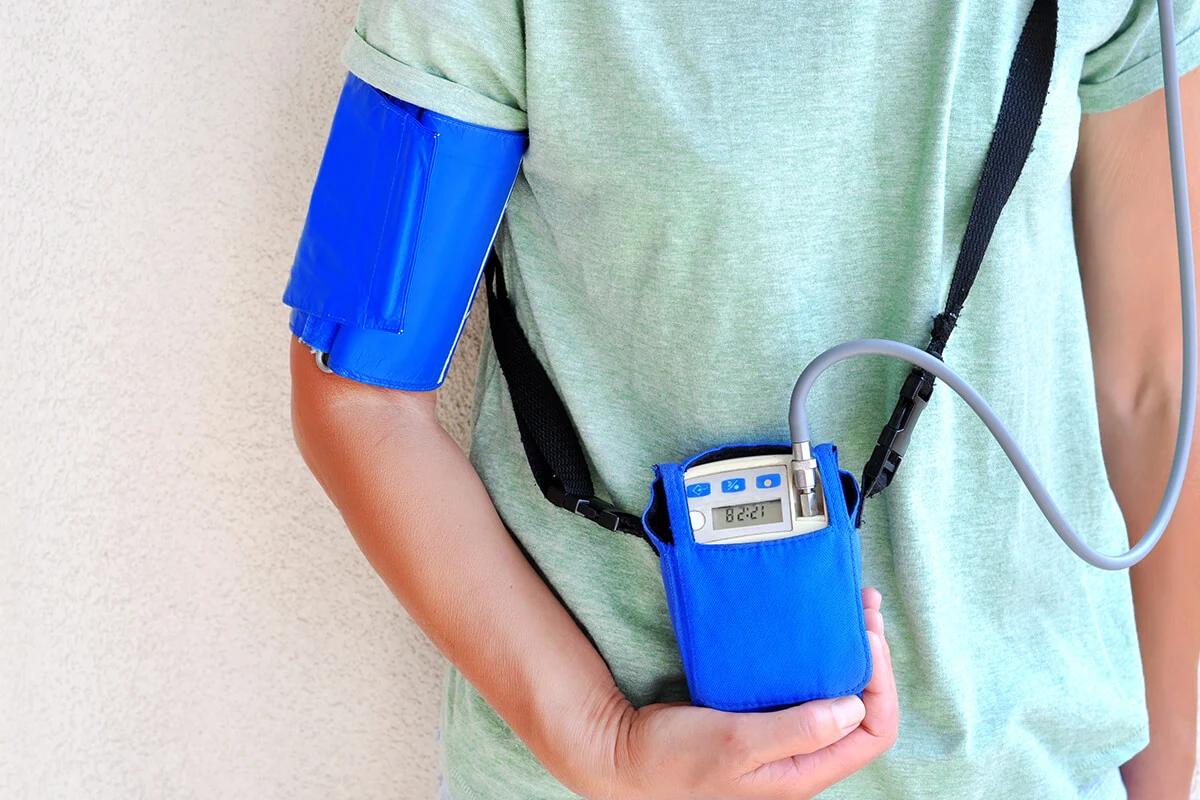
A 24-hour blood pressure monitoring system that measures blood pressure during daily activities and sleep. It can help identify sustained hypertension, white-coat hypertension, masked hypertension, and abnormal nighttime blood pressure patterns.
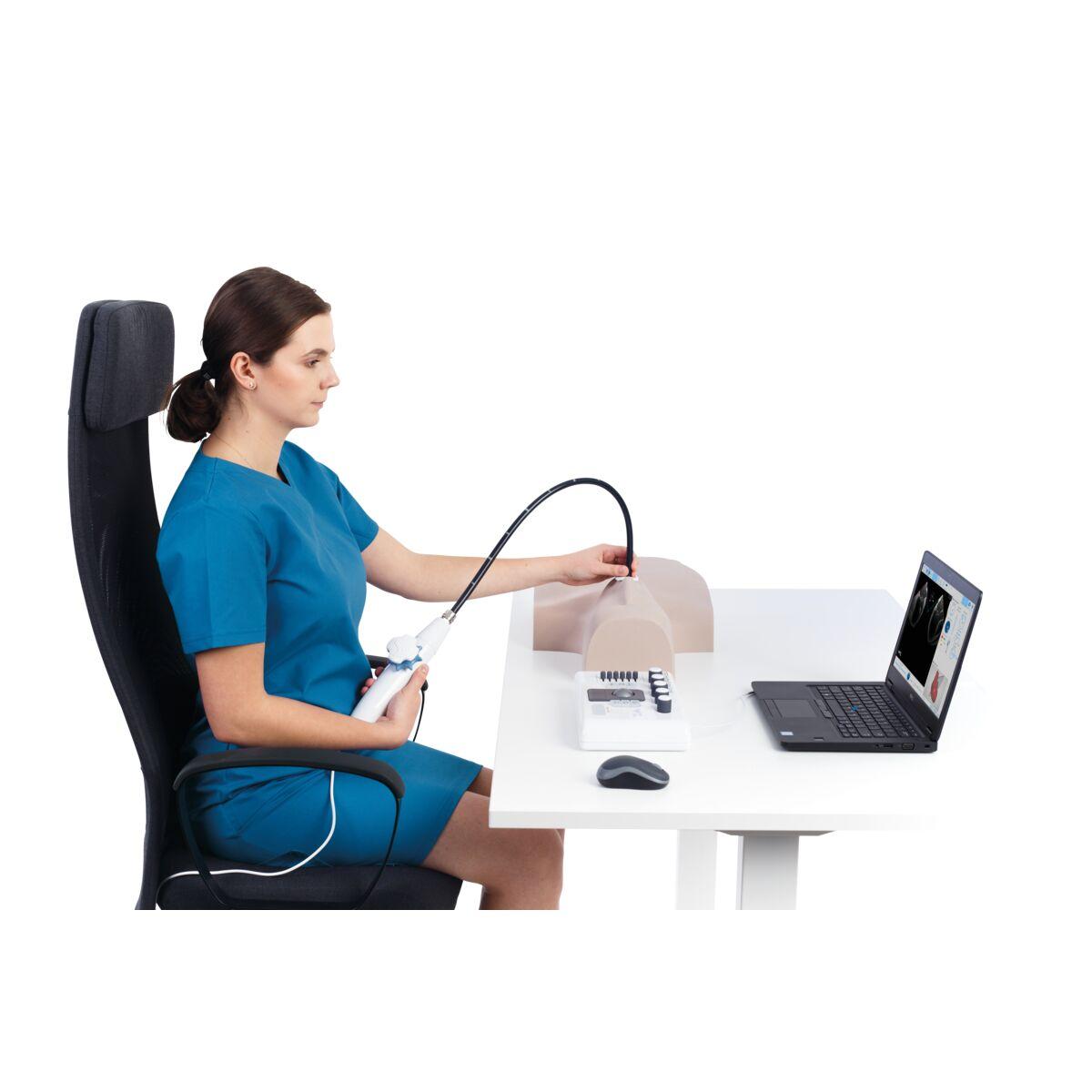
A specialized ultrasound examination in which an ultrasound probe is gently passed into the esophagus to obtain highly detailed images of the heart and valves.
TEE is particularly useful for evaluating:
Send your appointment request; we'll let you know about the evaluation process suited to your complaint and needs.
We use cookies to improve your experience on this site. See our Cookie Policy for details.