Dr. Alptekin Özkoç

INTERVENTIONAL ELECTROPHYSIOLOGY

WHAT IS AN ELECTROPHYSIOLOGY STUDY?
Electrophysiology Study (EPS)

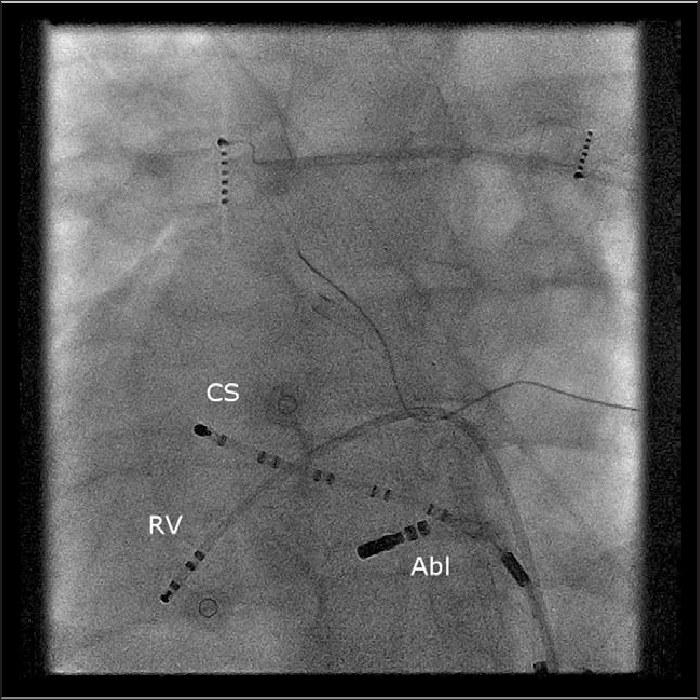
An Electrophysiology Study (EPS) is a specialized invasive test used to investigate the electrical system of the heart.

Catheters are introduced into the heart through a blood vessel, usually through the groin.

The electrical signals are recorded directly from different areas of the heart.

EPS can be used to:

  • Identify the mechanism of tachycardia
  • Locate abnormal electrical pathways
  • Evaluate conduction abnormalities
  • Assess the risk of certain arrhythmias
  • Determine whether catheter ablation may be appropriate

In many patients, diagnostic EPS and catheter ablation can be performed during the same procedure when appropriate. Patients are usually discharged from the hospital the following day.

The procedure typically takes 30 minutes, and patients are generally discharged from the hospital on the same day.
WHAT IS ATRIAL FIBRILLATION ABLATION?

Atrial Fibrillation Ablation

Atrial fibrillation (AF) is the most common sustained cardiac arrhythmia.

During AF, the atria develop rapid and disorganized electrical activity, resulting in an irregular heartbeat.

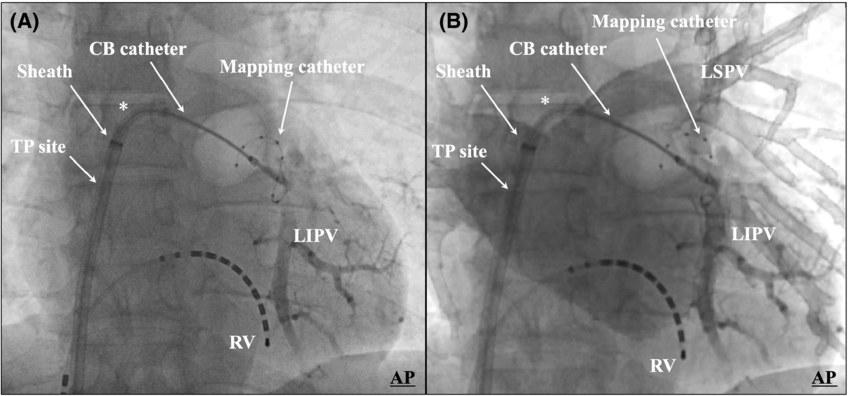
AF ablation is a catheter-based treatment designed to reduce the frequency and duration of AF episodes.

The cornerstone of most AF ablation procedures is pulmonary vein isolation, which electrically separates the pulmonary veins from the left atrium.

Energy may be delivered using:

  • Radiofrequency energy
  • Cryoballoon technology

AF ablation can significantly improve symptoms and reduce AF recurrence in appropriately selected patients.

Atrial fibrillation (AF) ablation typically takes approximately 60–90 minutes, and patients are usually discharged from the hospital the following day.

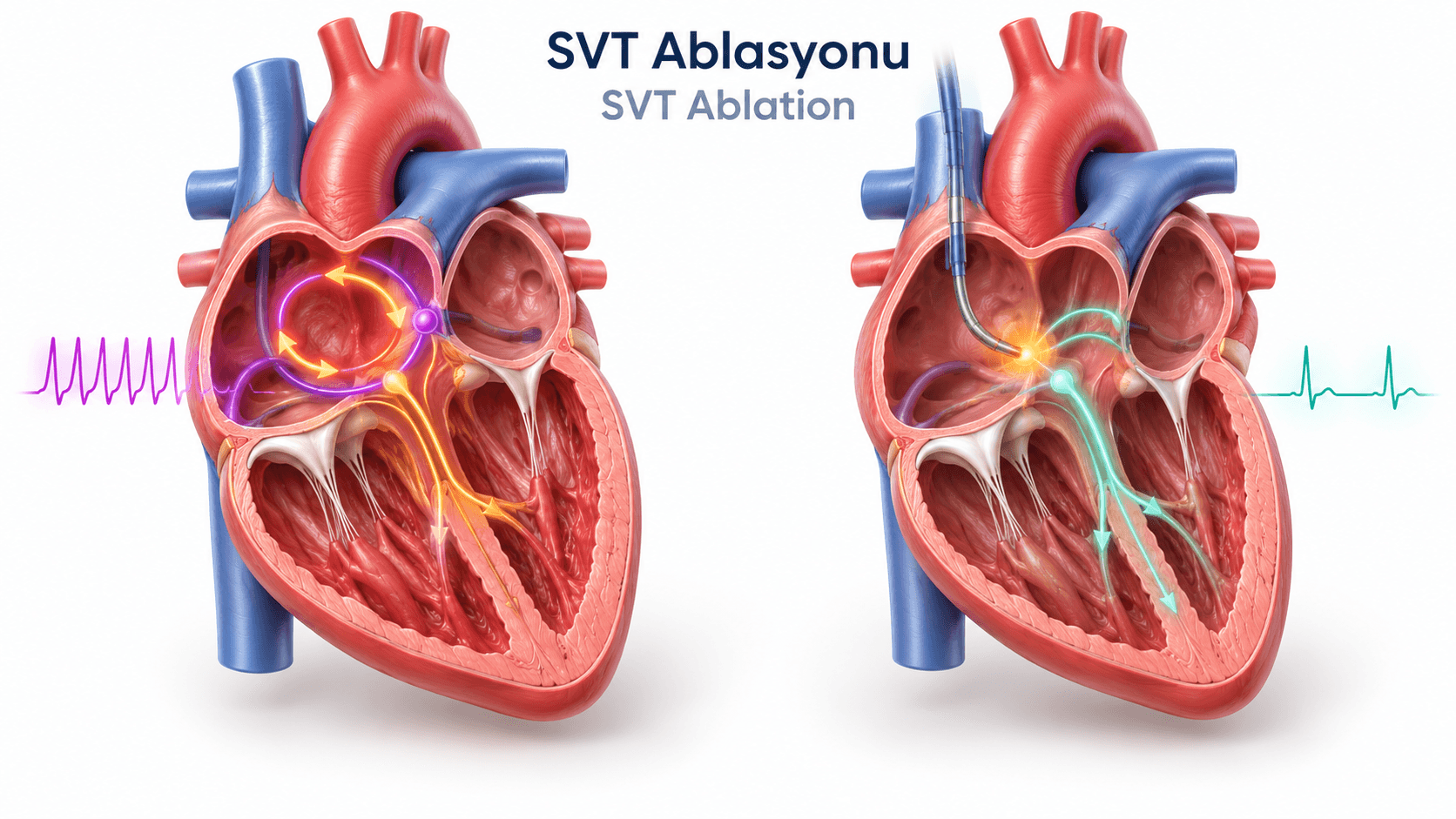
WHAT IS SVT ABLATION?

SVT Ablation

Supraventricular tachycardia (SVT) refers to a group of rapid heart rhythms originating above the ventricles.

Episodes often begin suddenly and may cause:

  • Palpitations
  • Rapid heartbeat
  • Dizziness
  • Chest discomfort
  • Shortness of breath

Catheter ablation can permanently eliminate the abnormal electrical pathway or focus responsible for many types of SVT.

For common forms of SVT, catheter ablation has a high long-term success rate and is often considered a definitive treatment. SVT ablation typically takes approximately 30–60 minutes, and patients are usually discharged from the hospital the following day.

WHAT IS PVC / VES ABLATION?

PVC / VES Ablation

Premature ventricular contractions (PVCs), or ventricular extrasystoles (VES), are extra heartbeats originating from the ventricles.

They may feel like:

  • A skipped heartbeat
  • A strong heartbeat
  • Fluttering
  • Irregular beats

Occasional PVCs are common and may not require treatment.

However, frequent PVCs can sometimes cause symptoms or contribute to weakening of the heart muscle.

Ablation may be considered when PVCs are highly symptomatic, occur frequently, or are associated with deterioration in ventricular function. PVC ablation typically takes approximately 1-3 hours and patients are usually discharged from the hospital the following day.

WHAT IS VT ABLATION?

VT Ablation

Ventricular tachycardia (VT) is a rapid rhythm originating from the ventricles.

It can occur in patients with structural heart disease, previous myocardial infarction, cardiomyopathy, or certain inherited cardiac conditions.

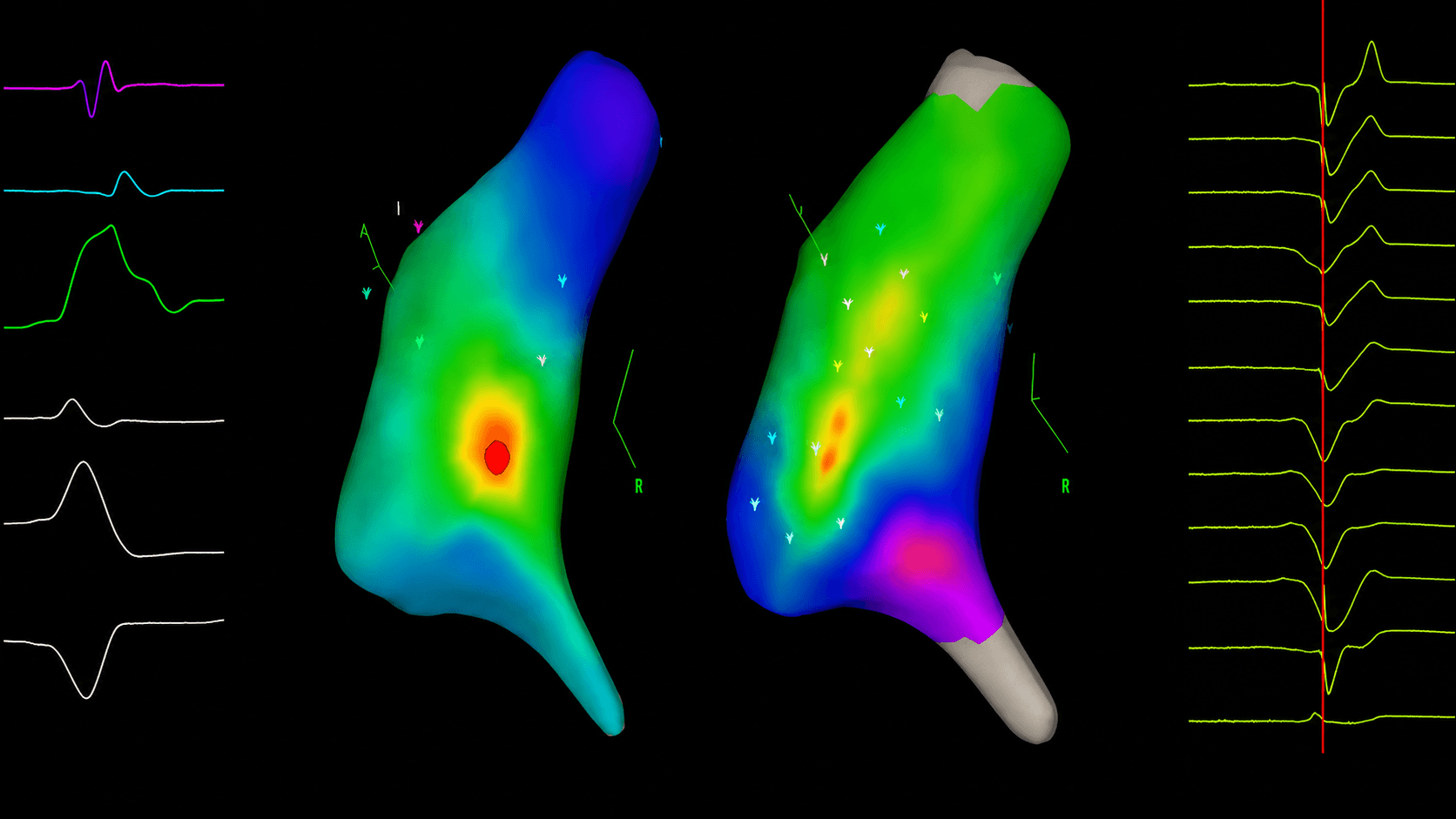
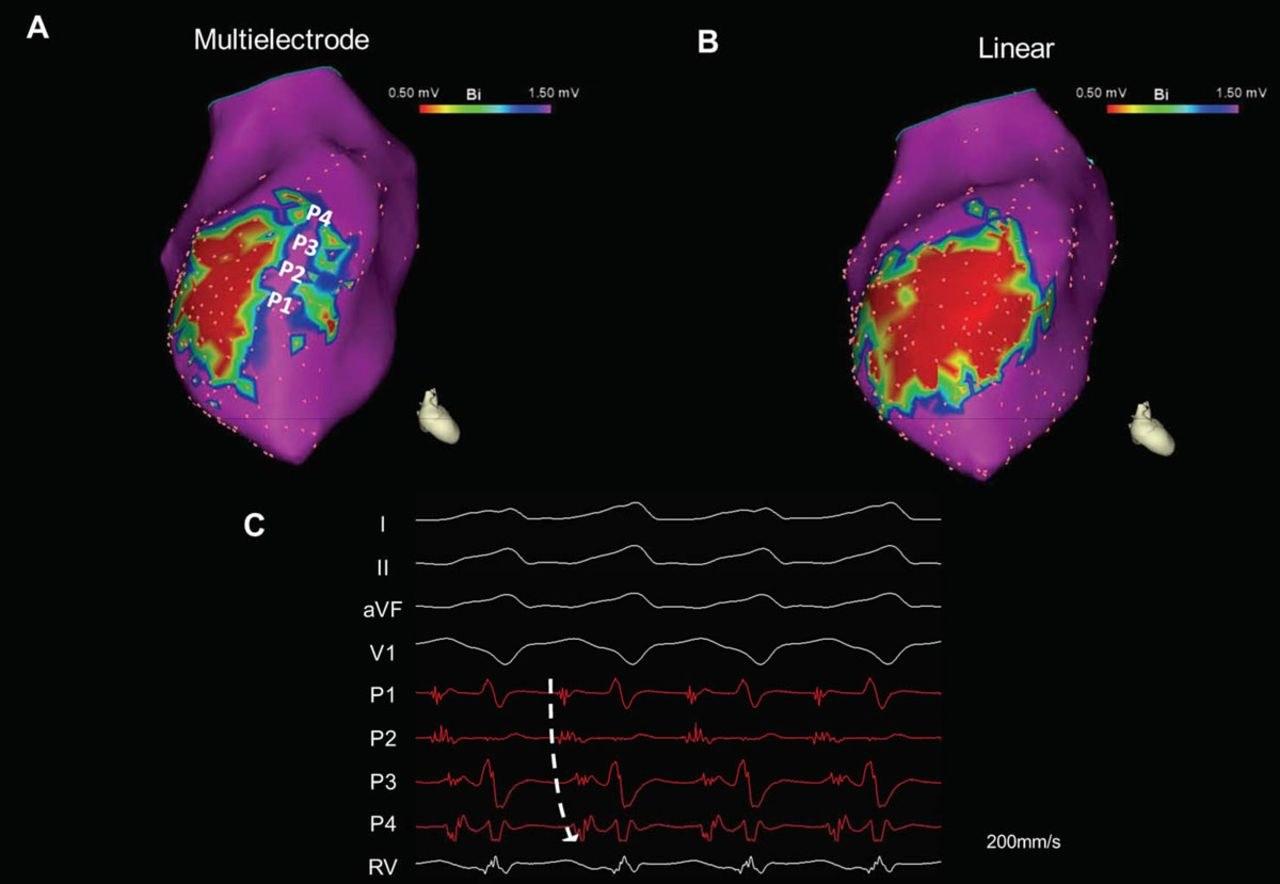
VT ablation uses advanced mapping technology to identify abnormal electrical circuits and deliver targeted treatment.

The goals may include:

  • Reducing recurrent VT
  • Reducing ICD shocks
  • Improving quality of life
  • Reducing hospitalization

In selected patients, VT ablation is performed together with ICD therapy and comprehensive management of the underlying heart disease.

The procedure typically takes 2 hours, and patients are generally discharged from the hospital 2 days later.

Get in touch with us for an evaluation

Send your appointment request; we'll let you know about the evaluation process suited to your complaint and needs.

Explore Interventional Cardiology