
Dr. Alptekin Özkoç

PACEMAKERS & DEVICES

WHAT IS A PACEMAKER?
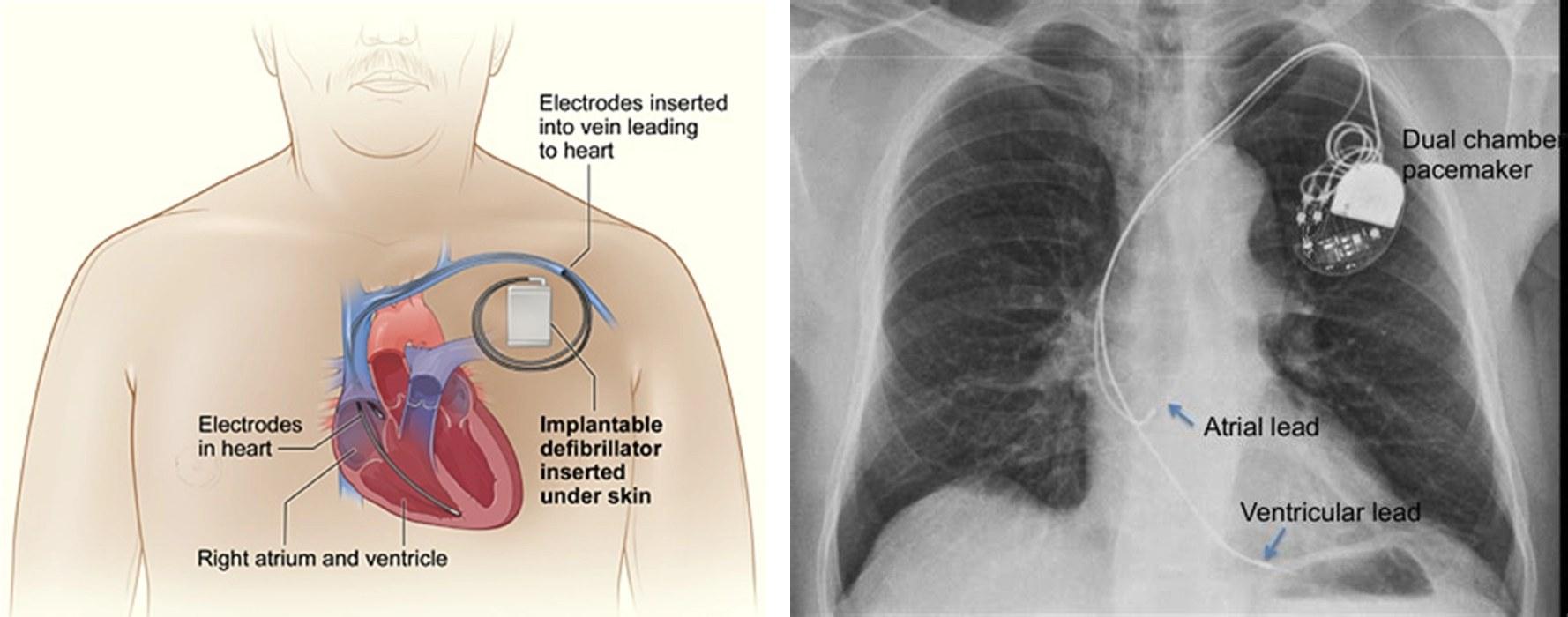
Pacemaker

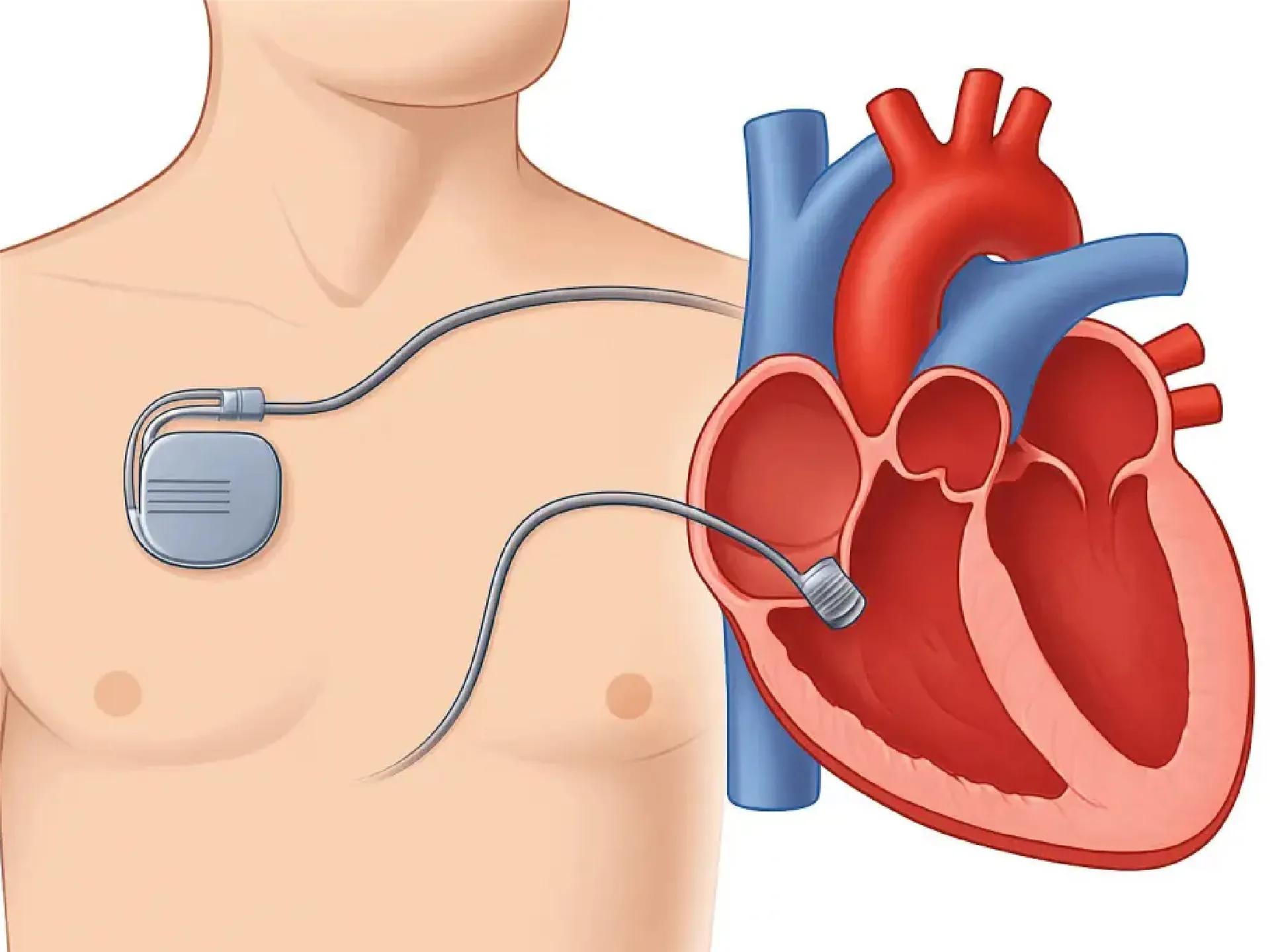
A pacemaker is an electronic cardiac device used to treat certain slow heart rhythms and conduction disorders.

It monitors the heart rhythm and delivers electrical impulses when necessary to maintain an appropriate heart rate.

Pacemakers may have different configurations depending on the patient's condition, including:

  • Single-chamber systems
  • Dual-chamber systems
  • Physiological pacing systems
  • Specialized systems for selected heart failure patients

A pacemaker may improve symptoms such as:

  • Dizziness
  • Fatigue
  • Exercise intolerance
  • Fainting caused by bradycardia

The implantation procedure is minimally invasive.

The procedure typically takes 30–60 minutes, and patients are generally discharged from the hospital the following day.
WHAT IS AN ICD?

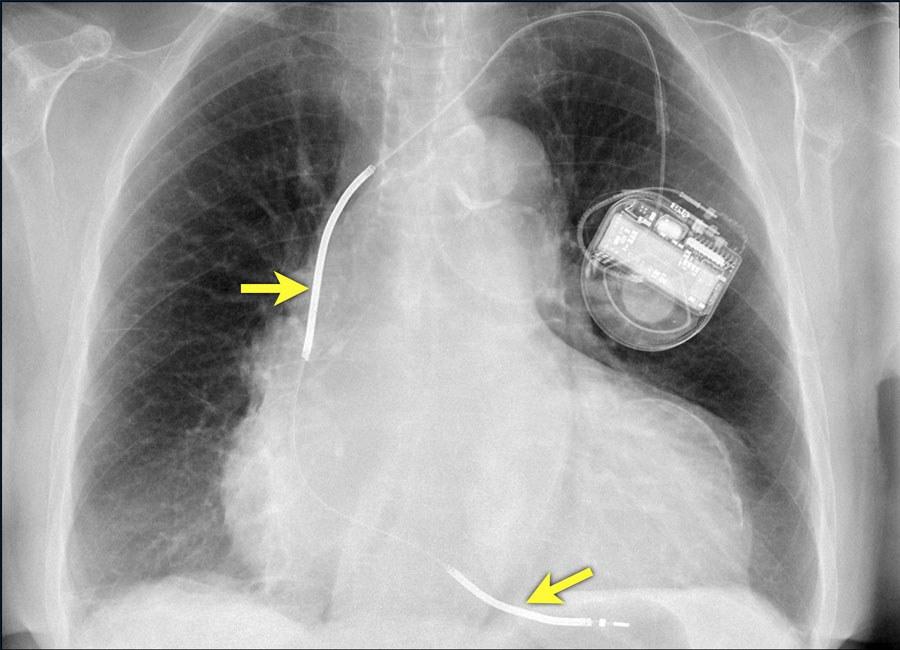
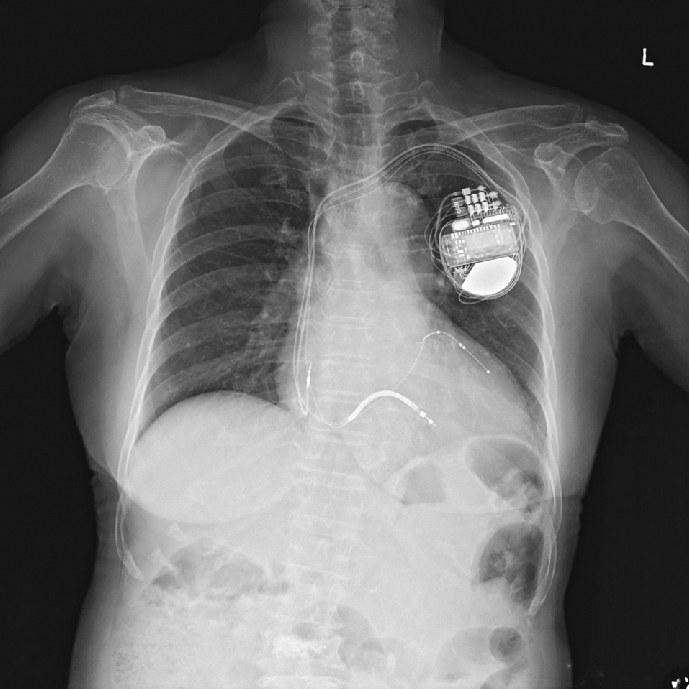
ICD

An Implantable Cardioverter-Defibrillator (ICD) is a cardiac device designed to detect and treat potentially life-threatening ventricular arrhythmias.

The ICD continuously monitors the heart rhythm.

When a dangerous rhythm such as ventricular tachycardia or ventricular fibrillation occurs, the device may deliver:

Anti-Tachycardia Pacing

Rapid but low-energy pacing impulses may terminate certain ventricular tachycardias without delivering a shock.

Defibrillation Therapy

If necessary, the ICD can deliver a high-energy electrical shock to restore a normal heart rhythm.

ICD therapy may be considered in selected patients who:

  • Have survived cardiac arrest
  • Have sustained ventricular tachycardia
  • Have significant impairment of left ventricular function and an increased risk of sudden cardiac death
  • Have certain inherited or structural conditions associated with increased risk of malignant ventricular arrhythmias

The procedure typically takes 30–60 minutes, and patients are generally discharged from the hospital the following day.
WHAT IS CRT?

CRT

Cardiac Resynchronization Therapy (CRT) is a specialized treatment for selected patients with heart failure and electrical conduction abnormalities.

In some patients with heart failure, the ventricles contract in an uncoordinated manner, particularly in the presence of significant conduction delay such as left bundle branch block.

CRT aims to improve the coordination of ventricular contraction.

It can be provided as:

  • CRT-P – cardiac resynchronization pacemaker
  • CRT-D – cardiac resynchronization therapy combined with defibrillator capability

In appropriately selected patients, CRT can improve symptoms, heart function, quality of life, and clinical outcomes.

The procedure typically takes 1-2 hours, and patients are generally discharged from the hospital the following day.
WHAT IS LEFT BUNDLE BRANCH AREA PACING?

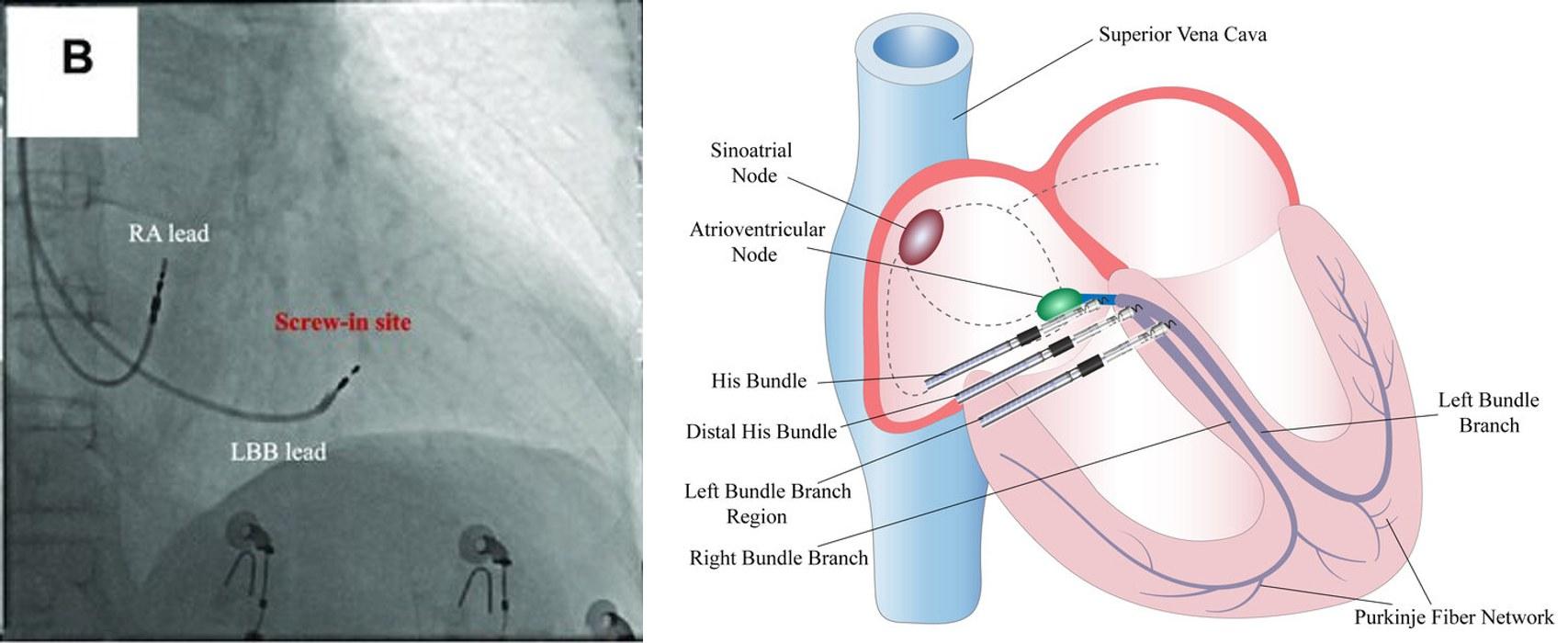
Left Bundle Branch Area Pacing (LBBAP)

Left Bundle Branch Area Pacing (LBBAP) is a physiological pacing technique designed to activate the heart through its natural conduction system.

Instead of relying solely on conventional right ventricular myocardial pacing, the pacing lead is positioned in the region of the left bundle branch conduction system.

Potential advantages include:

  • More physiological ventricular activation
  • Narrower paced QRS in appropriate patients
  • Reduced risk of pacing-related ventricular dyssynchrony
  • An option for selected patients requiring long-term pacing or cardiac resynchronization

The most appropriate pacing strategy depends on the individual patient's conduction system, ventricular function, anatomy, and clinical condition.

The procedure typically takes 1-2 hours, and patients are generally discharged from the hospital the following day.

What is Cardiac Lead Extraction?

Cardiac Lead Extraction

Cardiac Lead Extraction is a procedure used to remove the thin wires, called leads, that connect a pacemaker or implantable cardioverter-defibrillator (ICD) to the heart.

In some situations, leads may need to be removed because of infection, damage, malfunction, blood vessel blockage, or the need to replace an old or unnecessary lead.

Over time, scar tissue can form around the leads, making removal more difficult. Specialized techniques and tools are used to carefully free and remove the leads while minimizing the risk of complications.

The procedure is performed by an experienced cardiac team in a hospital equipped to manage potential complications. In selected patients, lead extraction can provide a safer and more effective long-term solution than leaving a problematic lead in place.

The procedure typically takes1-2 hours and patients are generally discharged from the hospital 2 days later

Get in touch with us for an evaluation

Send your appointment request; we'll let you know about the evaluation process suited to your complaint and needs.

Explore Interventional Electrophysiology