
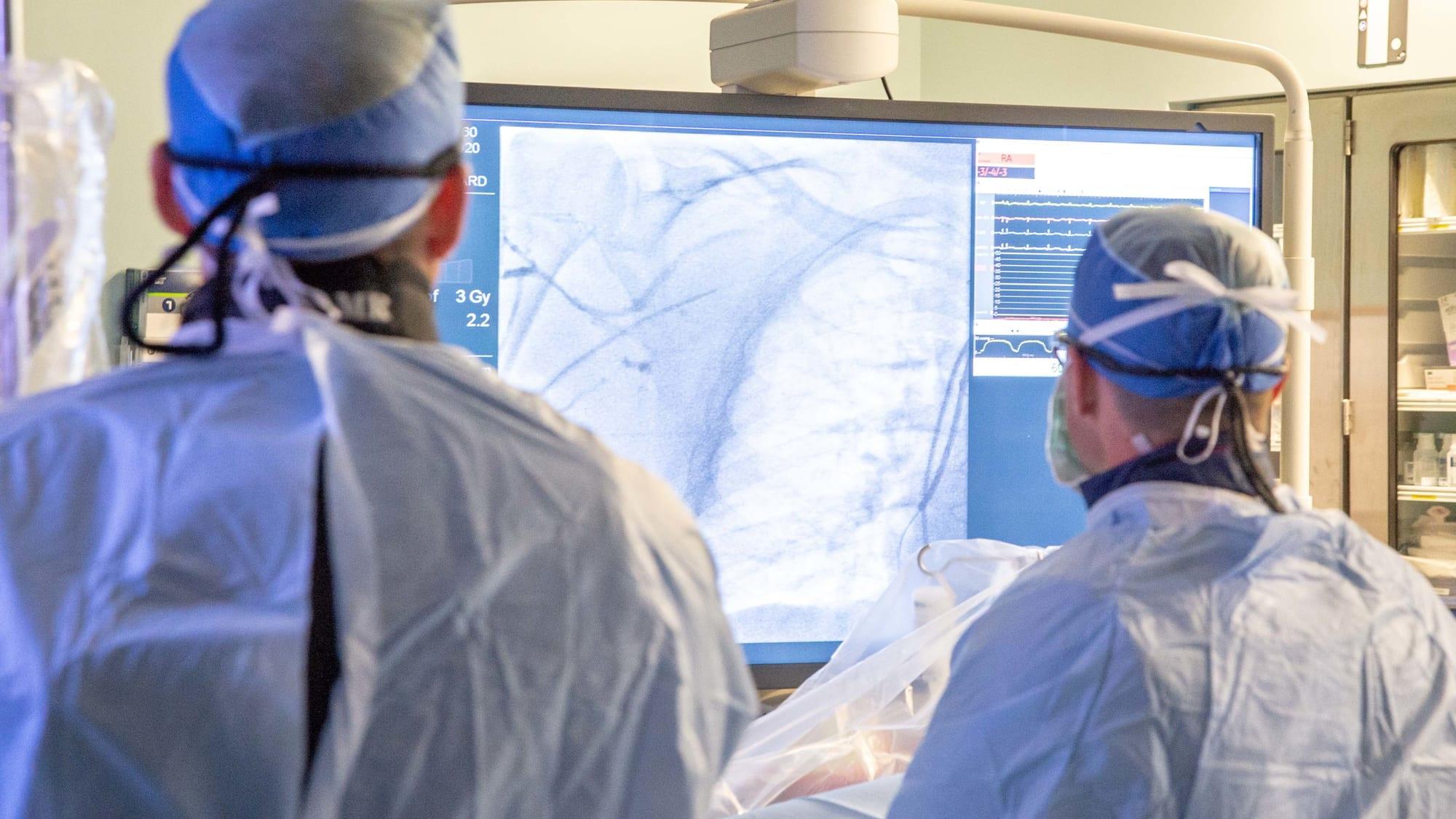
An angiogram (coronary angiography) is a catheter-based diagnostic method performed under local anesthesia, accessed through the wrist or groin, to visualize the internal structure of the coronary arteries that supply the heart. Paying attention to the fasting period, medications used, and any allergy history before the procedure, and following the care of the access site and recommended activity restrictions afterward, makes the recovery process easier. This article covers practical information patients should know, from preparation before an angiogram to returning to daily life after the procedure.
What Is an Angiogram (Coronary Angiography)?
Angiogram is a colloquial term for coronary angiography, a catheter-based diagnostic method used to visualize the internal structure of the coronary arteries that supply the heart. During the procedure, a thin catheter is advanced through an artery in the wrist (radial) or groin (femoral) to reach the coronary arteries, and the vessel structure is examined under X-ray imaging with the help of contrast dye given through the catheter.
An angiogram is generally performed under local anesthesia; the patient remains conscious throughout the procedure and can communicate with the team. If a narrowing, blockage, or other anatomical feature is detected in the coronary arteries during the procedure, balloon angioplasty or stent placement may be considered; this decision is evaluated by the physician based on the findings and the patient's clinical condition.
Preparation Before the Procedure
Before an angiogram, the patient is generally asked to fast for a certain period. It is important to discuss all medications currently being used, especially blood thinners and diabetes medications, as well as any known allergies to contrast dye or iodine, with the physician in detail before the procedure.
Blood tests may be requested before the procedure to evaluate kidney function and coagulation values. It is generally recommended that the patient have a relative accompany them home after the procedure and not drive on that day.
What Happens on the Day of the Procedure?
After registration, an intravenous line is placed and final checks are made before the procedure. The intervention generally begins with local anesthesia at the wrist (radial) or groin (femoral); a thin needle and then a catheter are placed at this site.
The catheter is advanced to the coronary arteries under X-ray imaging, and a brief sensation of warmth may occur when the contrast dye is given. A diagnostic angiography procedure is generally short; the duration of the procedure can vary depending on the vessel structure and any additional interventions.
The First Hours and Days After the Procedure
After the procedure is completed, a pressure bandage is applied to the site where the catheter was inserted, and the patient is asked to keep that area still for a certain period to reduce the risk of bleeding. For procedures performed through the wrist, this period is generally shorter than for procedures performed through the groin.
After the procedure, the patient is kept under observation for a period of time; the access site, blood pressure, and pulse are checked at regular intervals. Discharge from the hospital generally takes place the same day or after an overnight observation, as deemed appropriate by the physician; drinking plenty of fluids can help the contrast dye be cleared from the body.
Returning to Daily Life and Activity Restrictions
After discharge, it is generally recommended to avoid heavy lifting, physical activities requiring intense effort, and movements that would put pressure on the access site for the first few days. For patients who had the procedure through the wrist, avoiding lifting weights with that arm may be helpful, while for patients who had the procedure through the groin, avoiding standing for long periods or climbing stairs for a while may be beneficial.
The timing of returning to work and daily routine varies from person to person depending on the scope of the procedure performed, the physical demands of the occupation, and the physician's assessment.
When Should You See a Doctor?
Mild bruising, tenderness, and slight swelling at the access site are findings commonly seen after an angiogram and generally resolve on their own. However, certain symptoms should be monitored carefully, as they may require further evaluation.
If any of these symptoms are noticed, it is recommended to contact the physician using the contact information provided at discharge, or to go to the nearest emergency department. In the period after an angiogram, if any uncertainty arises, contacting the healthcare team rather than deciding on your own is the safest approach.
- Increasing swelling, persistent bleeding, or spreading bruising at the access site
- Increasing pain or a sensation of warmth/redness in the area
- Numbness, tingling, or coldness in the affected arm or leg
- Fever
- Chest pain, shortness of breath, or a feeling of faintness
Frequently asked questions
The duration varies depending on whether the procedure is purely diagnostic or interventional (including stent placement), and whether the access is through the wrist or the groin; for many patients, discharge is possible the same day or after an overnight observation, as deemed appropriate by the physician.
Because the procedure is performed under local anesthesia, the patient generally does not feel significant pain; a mild sensation of pressure at the access site or a brief feeling of warmth when the contrast dye is given may occur.
This period varies from person to person and depending on the scope of the procedure performed; in general, it is recommended not to drive on the day of the procedure, and the timing of returning to work and daily activities is determined according to the instructions given by the physician at discharge.
An angiogram is basically a diagnostic imaging method; however, if a significant narrowing is detected in the coronary arteries during the procedure, balloon angioplasty or stent placement may be considered. This decision is evaluated by the physician based on the findings and the patient's overall clinical condition.
Mild bruising, tenderness, and slight swelling are commonly seen after an angiogram and generally resolve on their own within a few days. If swelling increases, bleeding continues, or severe pain develops, a physician should be consulted.