
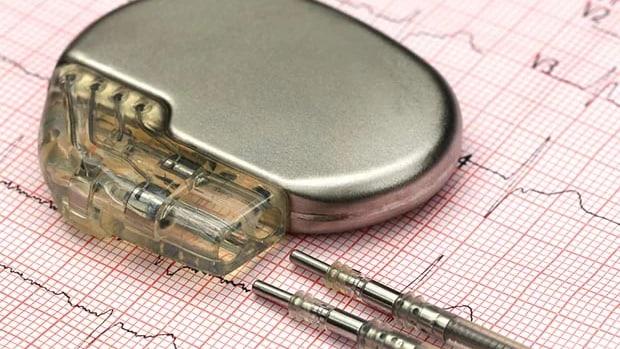
Life after a pacemaker is based on protecting the procedure site in the first days and then gradually returning to daily activities; most patients return to their previous routine within a few weeks. A pacemaker consists of a small device placed under the skin of the chest to regulate the heart's electrical rhythm, together with leads that extend to the heart. This article summarizes the general stages of the process after the procedure and the points patients need to pay attention to.
Preparation Before the Procedure
Before pacemaker implantation, the patient is generally asked for current blood tests, an electrocardiogram (ECG), and, if considered necessary, tests such as echocardiography. Medications being used, especially blood thinners, are evaluated by the doctor and may be adjusted before the procedure.
The procedure is generally performed under local anesthesia while the patient is awake or under mild sedation; therefore, the patient is separately informed about the fasting period before the procedure. All medications being used and any known allergies must be shared with the team before the procedure.
- Having current blood test and ECG results ready
- Reviewing blood thinner use together with the doctor
- Following the fasting period before the procedure
- Keeping the procedure site (generally below the collarbone) clean
What Happens on the Day of the Procedure?
During pacemaker implantation, the leads are advanced to the heart through a vein, and the generator part of the pacemaker is placed in the subcutaneous area below the collarbone. The procedure is performed under imaging guidance; the duration varies from patient to patient but is generally around one hour.
After the procedure, the patient is monitored on the ward for a period of time for observation; during this time, the heart rhythm and the device's function are checked. The time of discharge from the hospital is determined based on the patient's general condition and the team's assessment.
The First Hours and First Days After the Procedure
In the first hours following the procedure, avoiding excessive movement of the arm on the procedure side contributes to the leads settling into place. It is not necessary to keep the arm completely still; however, avoiding strenuous movements such as raising it above shoulder level in the first few days is recommended.
Mild swelling, bruising, or tenderness at the pacemaker site is commonly seen during this period and generally decreases on its own over time. Keeping the area dry and clean and following the dressing instructions recommended by the doctor supports the recovery process.
- Not raising the arm on the procedure side above shoulder level for several days
- Keeping the pacemaker site dry and not getting it wet without the doctor's approval
- Avoiding carrying heavy objects and sudden arm movements
- Following the dressing and site care instructions recommended by the doctor
Returning to Daily Life and Activities
Most patients gradually return to their daily activities within a few weeks, in line with their doctor's approval. Light-paced movements such as walking can generally be started early, while a longer waiting period may be needed for exercises that strain the arm or for heavy lifting.
Electronic devices used daily, such as mobile phones and household appliances, generally do not harm the pacemaker; however, staying away from certain industrial equipment that creates strong magnetic fields is recommended. When each activity can be started is assessed by the doctor based on the individual's recovery process.
- Being able to start light-paced walking early with the doctor's approval
- Following the period determined by the doctor for heavy lifting and sports that strain the arm
- Generally not expecting any problem when passing through security gates or using mobile phones
- Staying away from industrial equipment with strong magnetic fields
Regular Checkups and Battery Monitoring
After a pacemaker is implanted, follow-up examinations are scheduled at certain intervals to make sure the device is functioning properly. At these checkups, the battery status of the pacemaker, the function of the leads, and the recorded rhythm data are evaluated.
At some centers, device data can be regularly monitored through remote monitoring systems; these systems can help reduce the frequency of hospital visits. Battery life varies depending on the device model and how it is used; the timing of generator replacement is determined during these checkups.
When Should You See a Doctor?
It is important to see a doctor without delay if signs of infection such as increasing redness, warmth, discharge, or fever are noticed at the procedure site. Unexpected increases in swelling or severe pain are also among the situations that need to be evaluated.
Symptoms such as dizziness, a feeling of fainting, palpitations, or shortness of breath may be a sign of a condition related to the pacemaker, so such complaints must also be reported to the doctor.
- Redness, discharge, warmth, or fever at the procedure site
- Unexpected swelling, spreading bruising, or severe pain
- Dizziness, a feeling of fainting, or palpitations
- Shortness of breath or a feeling of discomfort in the chest
Medication Use and Other Recommendations
Most of the medications used before the pacemaker was implanted are continued after the procedure as determined by the doctor; any change in medication dose should be made by consulting the doctor, not by the patient's own decision. This applies especially to medications that affect heart rhythm or blood clotting.
Patients are generally given a pacemaker identification card; this card should be shown to the relevant healthcare personnel especially in situations such as airport security checks, dental treatments, or visits to another healthcare facility. Because the feasibility of tests such as magnetic resonance imaging (MRI) can vary depending on the device model, the physician following up on the pacemaker must always be informed before such a test.
Frequently asked questions
Although recovery time varies from person to person, most patients gradually return to their daily activities within a few weeks, in line with their doctor's approval. A longer waiting period is generally recommended for movements that strain the arm and for heavy lifting.
Showering and swimming are generally allowed once the procedure site has fully healed and the doctor has given approval. In the first days, it is important to keep the site dry and follow the care instructions given by the doctor.
Electronic devices used daily, such as mobile phones and TV remote controls, generally do not affect the pacemaker. However, care should be taken regarding contact with certain industrial equipment that creates strong magnetic fields, and it is recommended to consult the physician who follows up on the pacemaker.
Battery life varies depending on the device model and intensity of use. A declining battery is detected during regular follow-up examinations, and the timing of generator replacement is determined based on this monitoring.
A doctor should be seen without delay if signs of infection such as redness, discharge, or fever at the procedure site; unexpected swelling or severe pain; or symptoms such as dizziness, a feeling of fainting, palpitations, or shortness of breath are noticed.