
What Is an Aortic Aneurysm (Widening of the Aorta)?
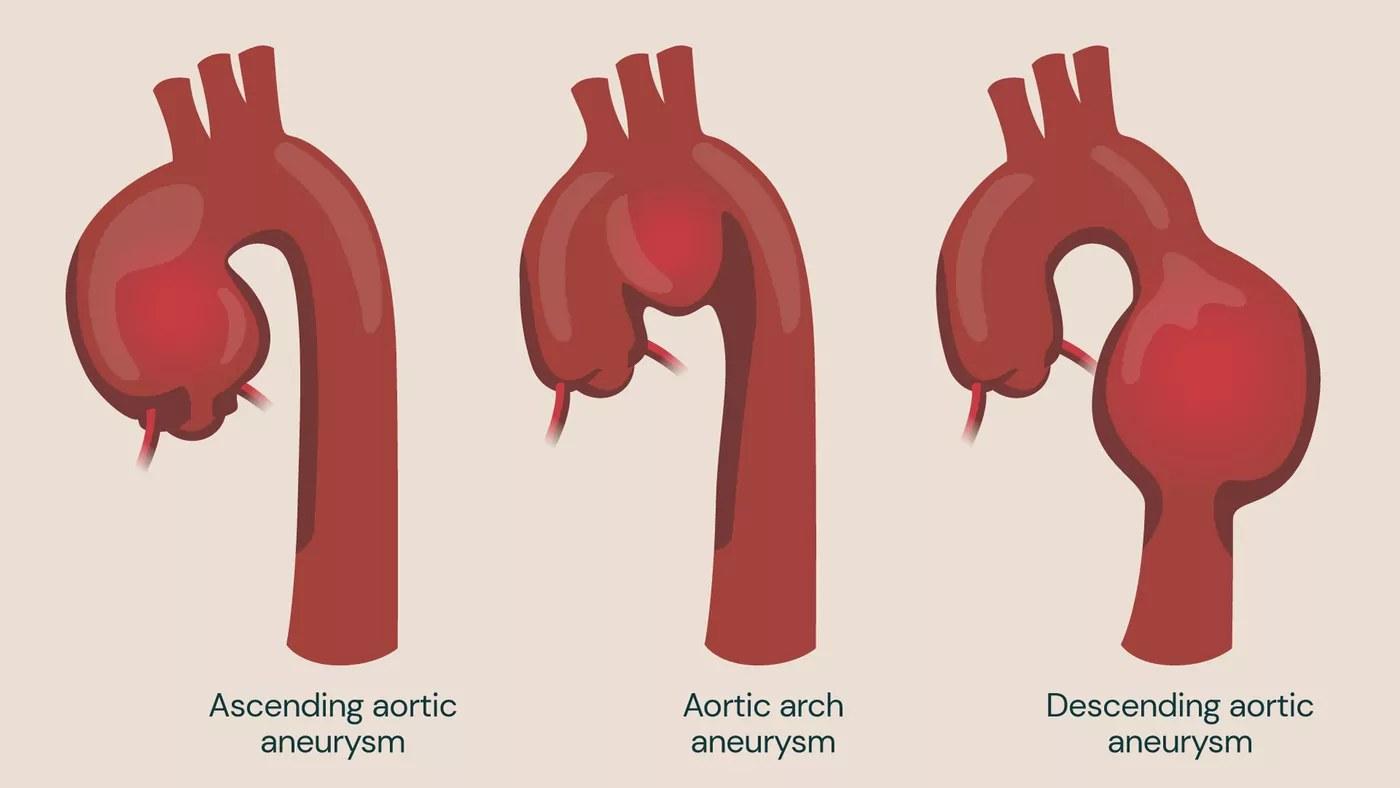
The aorta is the largest blood vessel in the body, carrying blood from the heart to every organ. An aortic aneurysm is an abnormal widening — a balloon-like bulge — of the aorta that develops when the vessel wall weakens and the diameter increases beyond normal.
An aortic aneurysm can develop in the aorta within the chest (thoracic aorta) or within the abdomen (abdominal aorta).
Aortic aneurysms usually cause no symptoms at first. For this reason, they are often discovered incidentally during an ultrasound, computed tomography (CT), MRI, or echocardiogram performed for another reason.
What Are the Symptoms of an Aortic Aneurysm?
Most patients have no symptoms. However, as the aneurysm grows, depending on its location it may cause:
- Chest or back pain
- Abdominal or lower back pain
- A sensation of a pulsating mass in the abdomen
- Shortness of breath or cough
such complaints.
Sudden, very severe chest, back, or abdominal pain, fainting, significant weakness, or a drop in blood pressure can be a sign of a life-threatening condition such as a tear or dissection of the aortic wall. Emergency medical help should be sought immediately in this situation.
What Are the Risks of an Aortic Aneurysm?
The most important risk of an aortic aneurysm is that it grows over time and damages the aortic wall.
As a result:
- Aortic dissection: a tear in the inner layer of the aortic wall, allowing blood to track within the wall of the vessel
- Aortic rupture: complete tearing of the aorta, causing serious internal bleeding
can occur.
These are life-threatening emergencies.
As the diameter of the aneurysm increases — and especially if it grows rapidly — the risk of complications increases. For this reason, regular follow-up is important.
How Is an Aortic Aneurysm Treated?
The treatment decision is based on the location of the aneurysm, its diameter, its rate of growth, its shape, and the patient's age and general health.
1. Regular Follow-Up
Small, low-risk aneurysms may not require immediate surgery or intervention. These patients are followed at regular intervals with ultrasound, CT, MRI, or echocardiography.
2. Medication and Control of Risk Factors
There is no medication that eliminates an aneurysm entirely. However, controlling high blood pressure, lowering cholesterol, and quitting smoking help reduce the risk of growth and complications.
Your doctor may recommend treatments such as blood pressure and cholesterol medications when needed.
3. Endovascular Treatment
In suitable patients, an aortic aneurysm can be treated with a stent graft placed inside the vessel.
This is usually performed through an artery in the groin, with the stent graft positioned at the site of the aneurysm. This reduces the pressure that blood flow exerts on the aneurysm wall.
In some patients, this method can offer a smaller intervention and faster recovery compared with open surgery. However, not every aortic aneurysm is suitable for endovascular treatment.
4. Open Surgery
Some aneurysms require open surgery. During the operation, the widened section of the aorta is replaced with an artificial graft.
Open surgery is an important treatment option, particularly for certain aneurysms of the aortic root and ascending aorta.
What Should Patients With an Aortic Aneurysm Pay Attention To?
- Keep your blood pressure under regular control.
- If you smoke, quit.
- Do not skip the imaging follow-ups recommended by your doctor.
- Have your cholesterol and other cardiovascular risk factors checked.
- Do not perform heavy or extremely strenuous exercise without consulting your doctor.
- If there is a family history of aortic aneurysm or aortic dissection, be sure to inform your doctor.
Summary
An aortic aneurysm is not always an emergency, and not every aneurysm requires surgery. However, the size of the aneurysm and how it changes over time should be assessed regularly. In suitable patients, serious complications can be prevented with follow-up, medication, endovascular intervention, or surgical treatment.
Emergency medical help should be sought if sudden, very severe chest, back, or abdominal pain develops.