
Rhythm Disorders
What Is Atrial Fibrillation?
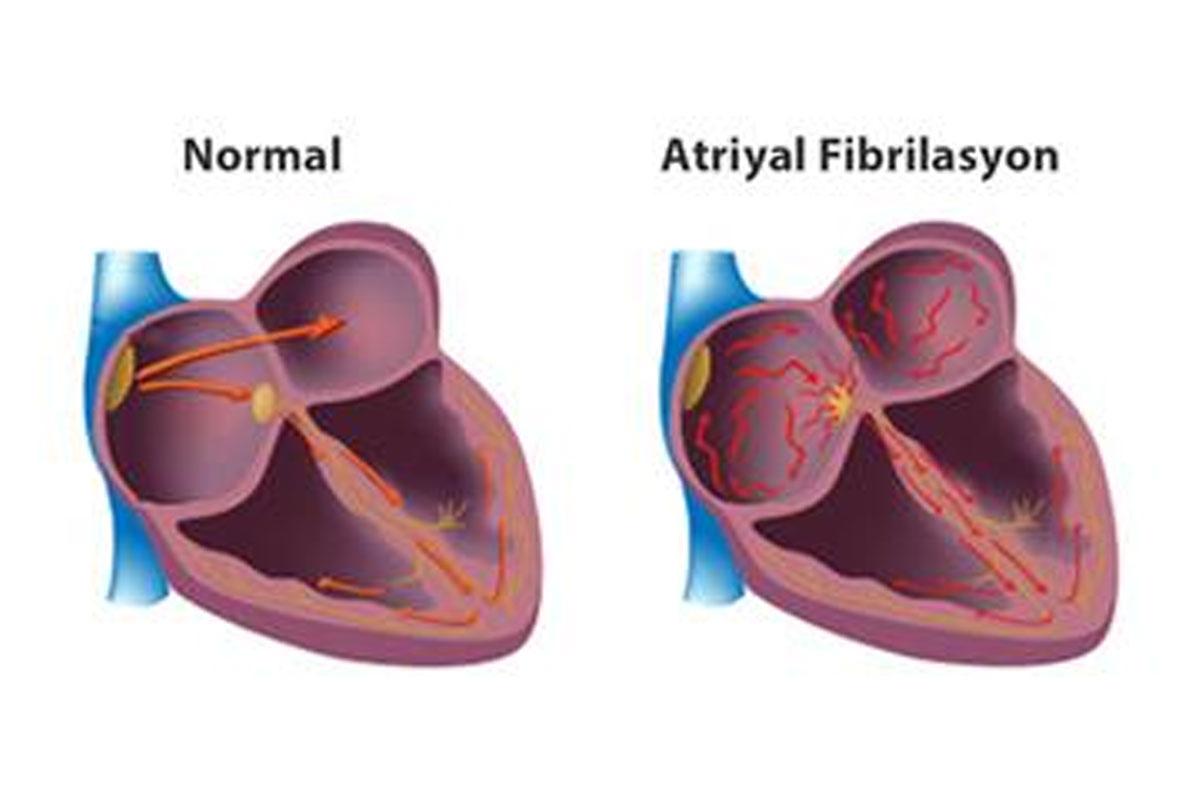
Atrial fibrillation (AF) is the most common sustained cardiac arrhythmia.
During AF, the atria develop rapid and disorganized electrical activity, resulting in an irregular heart rhythm.
AF becomes increasingly common with age and is also associated with conditions such as hypertension, obesity, sleep apnea, diabetes, valvular disease, and other cardiovascular conditions.
Symptoms may include:
- Palpitations
- Shortness of breath
- Fatigue
- Reduced exercise capacity
- Dizziness
- Chest discomfort
Some patients have no symptoms.
The diagnosis is usually confirmed by ECG or prolonged rhythm monitoring.
The major concern is the increased risk of ischemic stroke.
Treatment may involve:
- Stroke-risk assessment and anticoagulation when indicated
- Heart-rate control
- Rhythm-control strategies
- Electrical cardioversion
- Antiarrhythmic therapy
- Catheter ablation
- Management of cardiovascular risk factors