
What Is a Heart Attack?
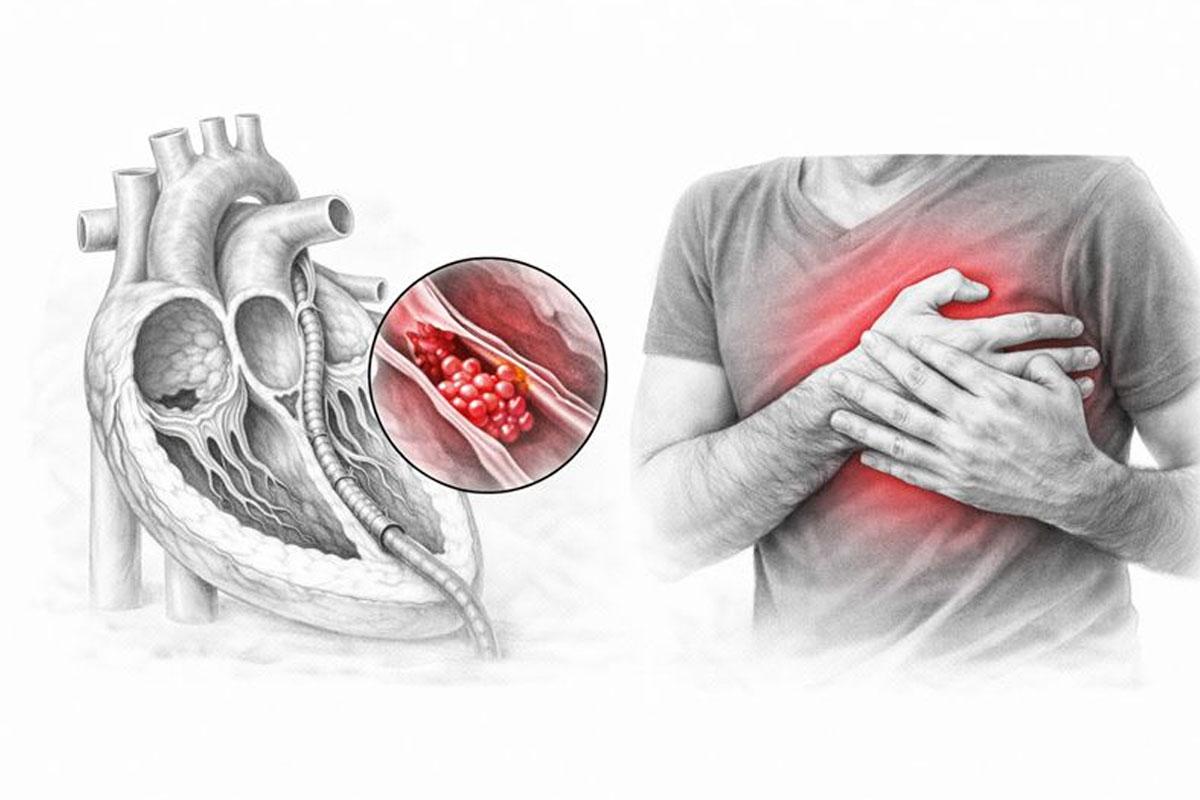
A heart attack, medically known as myocardial infarction (MI), occurs when blood flow to part of the heart muscle is suddenly reduced or completely blocked, resulting in injury to the heart muscle.
Most acute heart attacks are caused by rupture or erosion of an atherosclerotic plaque followed by formation of a blood clot inside a coronary artery.
A heart attack is a medical emergency.
Rapid diagnosis and restoration of coronary blood flow can limit heart muscle damage and improve outcomes.
Common Symptoms
Symptoms may include:
- Chest pressure, tightness, or pain
- Discomfort spreading to the arm, shoulder, back, neck, or jaw
- Shortness of breath
- Cold sweating
- Nausea or vomiting
- Dizziness
- Unusual fatigue
- Palpitations
Symptoms may vary, particularly in women, older adults, and people with diabetes.
How Is a Heart Attack Diagnosed?
Diagnosis is based on the clinical presentation together with investigations such as:
- ECG
- Cardiac troponin
- Echocardiography
- Coronary angiography when indicated
Treatment
Treatment depends on the type of myocardial infarction and the patient's clinical condition.
In appropriate patients with acute coronary artery occlusion, primary PCI is the preferred reperfusion strategy when it can be performed within the recommended timeframe.
Treatment may include:
- Coronary angioplasty
- Stent implantation
- Antiplatelet therapy
- Anticoagulation when indicated
- Lipid-lowering therapy
- Other cardiovascular medications as clinically appropriate
Fibrinolytic therapy may be considered in selected STEMI patients when timely PCI cannot be performed and there are no contraindications.
Recovery and Prevention
After a heart attack, long-term cardiovascular management is essential.
This may include:
- LDL cholesterol control
- Blood pressure control
- Diabetes management
- Smoking cessation
- Regular physical activity
- Heart-healthy nutrition
- Cardiac rehabilitation
- Medication adherence
- Regular cardiology follow-up