
Tachycardia
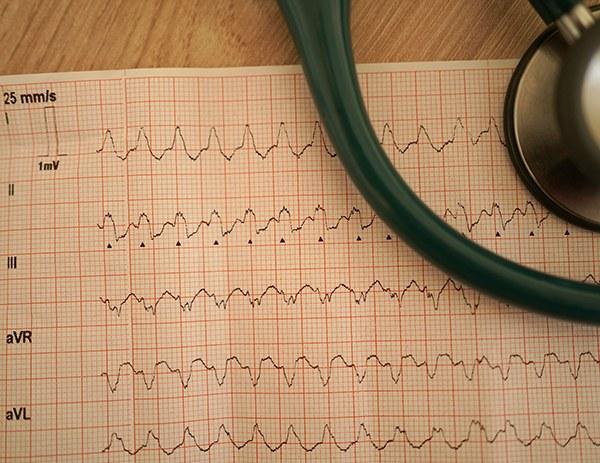
Tachycardia is a resting heart rate above 100 beats per minute and can originate from the heart's upper chambers (atria) or lower chambers (ventricles). It may present with palpitations, shortness of breath, dizziness, or chest discomfort. Some types of tachycardia are transient and harmless, while others require detailed cardiological evaluation.
Tachycardia most often presents as a noticeable sensation of palpitations, but in some patients it may cause no noticeable symptoms. The symptoms and risk factors below can help guide the evaluation of the condition.
- Palpitations and a Sensation of Rapid Heartbeat — A fast, irregular, or forceful heartbeat felt in the chest is the most commonly reported symptom; it can sometimes start and stop suddenly.
- Shortness of Breath and Chest Discomfort — Shortness of breath, or a sensation of pressure or tightness in the chest, may accompany episodes during exertion or at rest.
- Dizziness and a Feeling of Fainting — The increase in heart rate can affect blood pressure, leading to dizziness, blurred vision, or a feeling of fainting.
- Underlying Heart Disease and Triggering Factors — Coronary artery disease, heart valve problems, thyroid disorders, excessive caffeine or alcohol intake, and intense stress can increase the risk of tachycardia.
Diagnosing tachycardia relies on recording the heart rhythm and investigating possible causes. Which tests are performed is determined by the patient's symptoms and examination findings.
- Electrocardiography (ECG)
- Holter rhythm recording (24-48 hours or longer-term)
- Echocardiography (echo)
- Exercise stress test
- Electrophysiology study (EPS)
- Thyroid function and electrolyte level tests
Most forms of tachycardia can be controlled with lifestyle adjustments and medication. In some clinical presentations, further testing or interventional evaluation may be considered.
- Frequently Recurring or Prolonged Episodes — Tachycardia episodes that recur frequently or last a long time may make an electrophysiological evaluation necessary.
- History of Loss of Consciousness or Syncope — Experiencing fainting or loss of consciousness during a tachycardia episode is a situation that requires further cardiac evaluation.
- Inadequate Response to Medication — Symptoms persisting despite antiarrhythmic medication may lead to consideration of interventional electrophysiology options such as catheter ablation.
- Suspected Underlying Structural or Coronary Heart Disease — If chest pain or risk factors accompany the tachycardia, coronary angiography may be considered to assess for coronary artery disease.
Treatment for tachycardia is planned in stages based on the type and frequency of the rhythm disorder and the underlying cause.
- First Step — Lifestyle Adjustments — Reducing caffeine and alcohol intake, managing stress, and avoiding known triggering factors form the first step of treatment.
- Medical Treatment — Medication (Antiarrhythmic) Treatment — Medications aimed at regulating heart rate and rhythm are used under physician supervision with regular follow-up.
- Interventional Electrophysiology — Electrophysiology Study (EPS) and Catheter Ablation — In tachycardias that do not respond adequately to medication or that recur, an electrophysiology study and catheter ablation may be performed to identify and treat the source of the rhythm disorder.
- Advanced Treatment Options — Cardioversion and Implantable Devices (ICD) — For certain types of tachycardia, cardioversion may be used to restore normal rhythm; for life-threatening ventricular tachycardias, an implantable cardioverter-defibrillator (ICD) may be considered.
Regular follow-up after tachycardia treatment is important for monitoring the risk of recurrence and overall heart health.
- Regular Follow-up Examinations — Attending cardiology check-ups at set intervals after treatment allows the rhythm and the response to treatment to be monitored.
- Adherence to Medication — Taking prescribed antiarrhythmic or other medications regularly and as advised by the doctor is important for treatment success.
- Avoiding Triggering Factors — Limiting factors such as excessive caffeine, alcohol, smoking, and intense stress can help reduce the risk of recurrence.
- Monitoring Symptoms and Rhythm — If new palpitations, dizziness, or a feeling of fainting develop, repeating a Holter recording to assess the rhythm is recommended if necessary.
The information here is for general informational purposes; the diagnosis and treatment plan are determined following an individualized evaluation.