
Ambulatory Blood Pressure Monitoring – What Is ABPM?
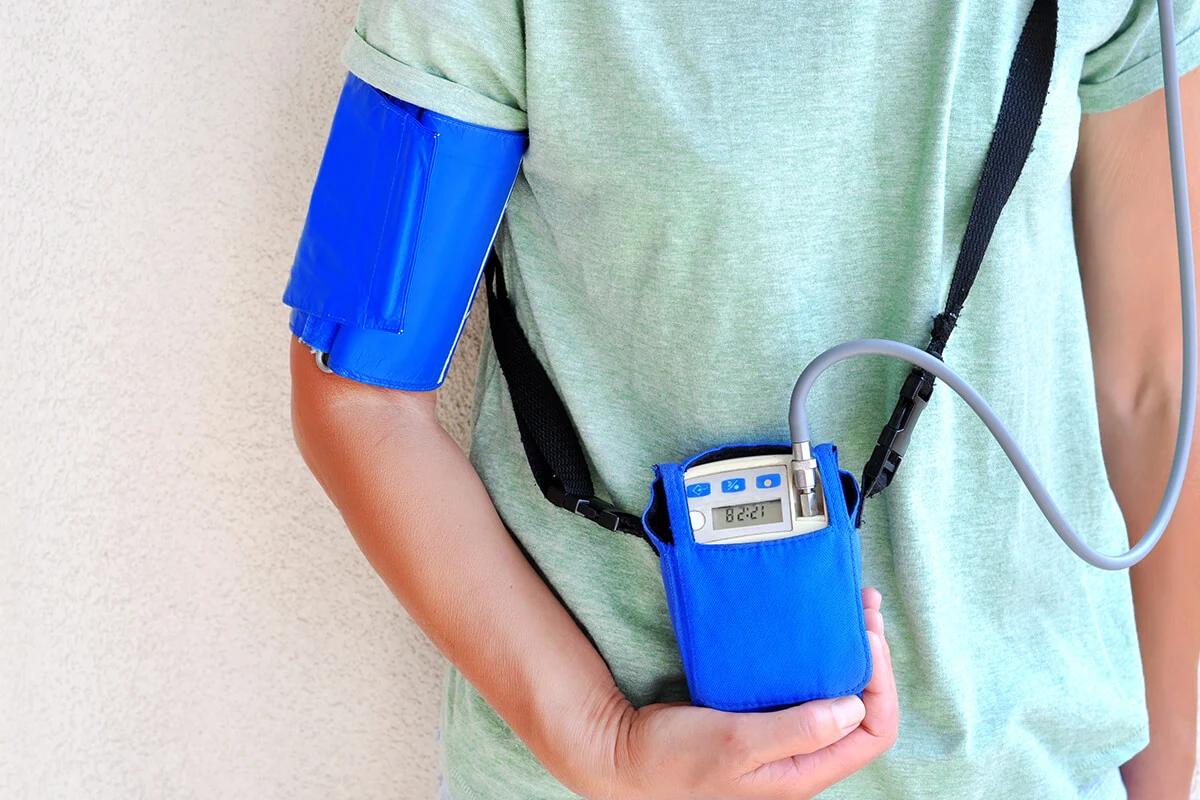
ABPM is a system that measures blood pressure regularly over 24 hours during daily life and sleep. It helps diagnose hypertension and, in particular, enables the detection of the following conditions.
- 24 Hours
- Recording Duration
- Portable Cuff
- Method
- Analysis After Recording
- Result Process
Who Needs ABPM, and When?
ABPM may be considered to clarify the diagnosis when blood pressure readings differ according to setting or time. The situations below are example scenarios in which this test may be considered; the final decision depends on the patient's individual examination.
Discrepancy Between Office and Home Measurements
It may be requested in patients with a significant difference between blood pressure measured in the office and at home, to clarify the true blood pressure level.
Suspected White-Coat Hypertension
It may be used when blood pressure is suspected to rise only in a doctor's office or hospital setting while remaining normal in daily life, to confirm the diagnosis.
Suspected Masked Hypertension
It may be considered to investigate blood pressure that is normal on office measurement but may run high during daily life.
Uncontrolled Blood Pressure Despite Treatment
It may be used in patients whose blood pressure does not reach the target level despite medication, to observe the true pattern over the course of the day.
Difference Between ABPM and Office Blood Pressure Measurement
ABPM (24-Hour Monitoring)
Takes numerous measurements at regular intervals during daily life and sleep, showing the true course of blood pressure and its nighttime pattern.
Office Blood Pressure Measurement
Consists of one or a few measurements taken at a specific moment in the office; it may not reflect temporary, setting-related elevations (the white-coat effect) or fluctuations during daily life.
Which Conditions Can ABPM Detect?
It helps diagnose hypertension and, in particular, detects:
Included
- Persistently high blood pressure
- Blood pressure that rises in a doctor's office or hospital setting (white-coat hypertension)
- Blood pressure that is normal at home but runs high during daily life (masked hypertension)
- Failure of blood pressure to dip normally at night
Not included
Assessment and Approach
Accurate interpretation of ABPM results requires correct device use and careful analysis of the data obtained.
Correct Cuff Size and Placement
A cuff of the appropriate size for the arm is selected and correctly fitted to ensure measurement accuracy.
Patient Information
Matters such as keeping the arm still while the device is taking a measurement are clearly explained to the patient in advance.
Assessment of the Day-Night Distinction
Blood pressure data is interpreted by evaluating the daytime active period and the nighttime sleep period separately.
Matching Data with the Diary
The activity and complaint diary kept by the patient is assessed together with the blood pressure recordings.
How Does the ABPM Process Work?
ABPM is a process consisting of several stages, from fitting the cuff to evaluating the results.
- 01
Before Monitoring
Fitting the Device
A cuff of the appropriate size is fitted to the arm and connected to the portable recording device; the measurement intervals are programmed.
- 02
During Monitoring
Daytime Measurements
Automatic measurements are taken at set intervals during the day while the patient continues their daily activities.
- 03
During Monitoring
Nighttime Measurements
Measurements continue at less frequent intervals during sleep, recording the nighttime blood pressure pattern.
- 04
After Monitoring
Removal of the Device and Analysis
After 24 hours, the cuff is removed, the recordings are analyzed, and the results are shared with the patient by the physician.
Factors That Affect the Assessment
The scope of the ABPM assessment is shaped by individual factors such as those below.
Reason for Referral
The reason for referral — such as a discrepancy between office and home measurements or lack of response to treatment — determines the focus of the assessment.
Known History of Hypertension and Treatment Status
Whether the patient is currently taking blood pressure medication and their response to treatment are included in the assessment.
Accompanying Risk Factors
Accompanying conditions such as diabetes or kidney disease are taken into account when determining blood pressure targets.
Previous Measurement and Test Results
Any previous office or home blood pressure measurements and related test results are included in the current assessment.
The information here is for general informational purposes only; the diagnosis and treatment plan are determined based on an individual assessment.
Frequently asked questions about Diagnostic Cardiology
ABPM (Ambulatory Blood Pressure Monitoring) is a system in which blood pressure is measured at regular intervals over 24 hours, during daily life and sleep, using a portable device worn on the arm.
It is performed to confirm the diagnosis of hypertension, distinguish white-coat or masked hypertension, evaluate the nighttime blood pressure pattern, or monitor treatment effectiveness.
It may be recommended if there is a difference between your office and home measurements, if your blood pressure cannot be controlled despite treatment, or if white-coat or masked hypertension is suspected. This recommendation is based on the individual assessment your physician will make with you.
Yes. Because the device is portable, you can continue your daily activities normally, apart from keeping your arm still during measurements.
After the 24-hour recording is complete and the device is removed, the data is analyzed; the results are generally evaluated by the physician and shared within a few days.
No. Home measurements are irregular, taken at times chosen by the patient; ABPM, on the other hand, is a systematic form of monitoring performed automatically with a standard device, at programmed intervals, throughout the day and night.
Get in touch with us for an evaluation
Send your appointment request; we'll let you know about the evaluation process suited to your complaint and needs.