
What Is Cardiac Lead Extraction?
The thin wires that connect a pacemaker or ICD to the heart are called leads. In certain situations, these leads may need to be removed.
- 1-2 Hours
- Procedure Duration
- General/Local Anesthesia
- Anesthesia Type
- After 2 Days
- Discharge
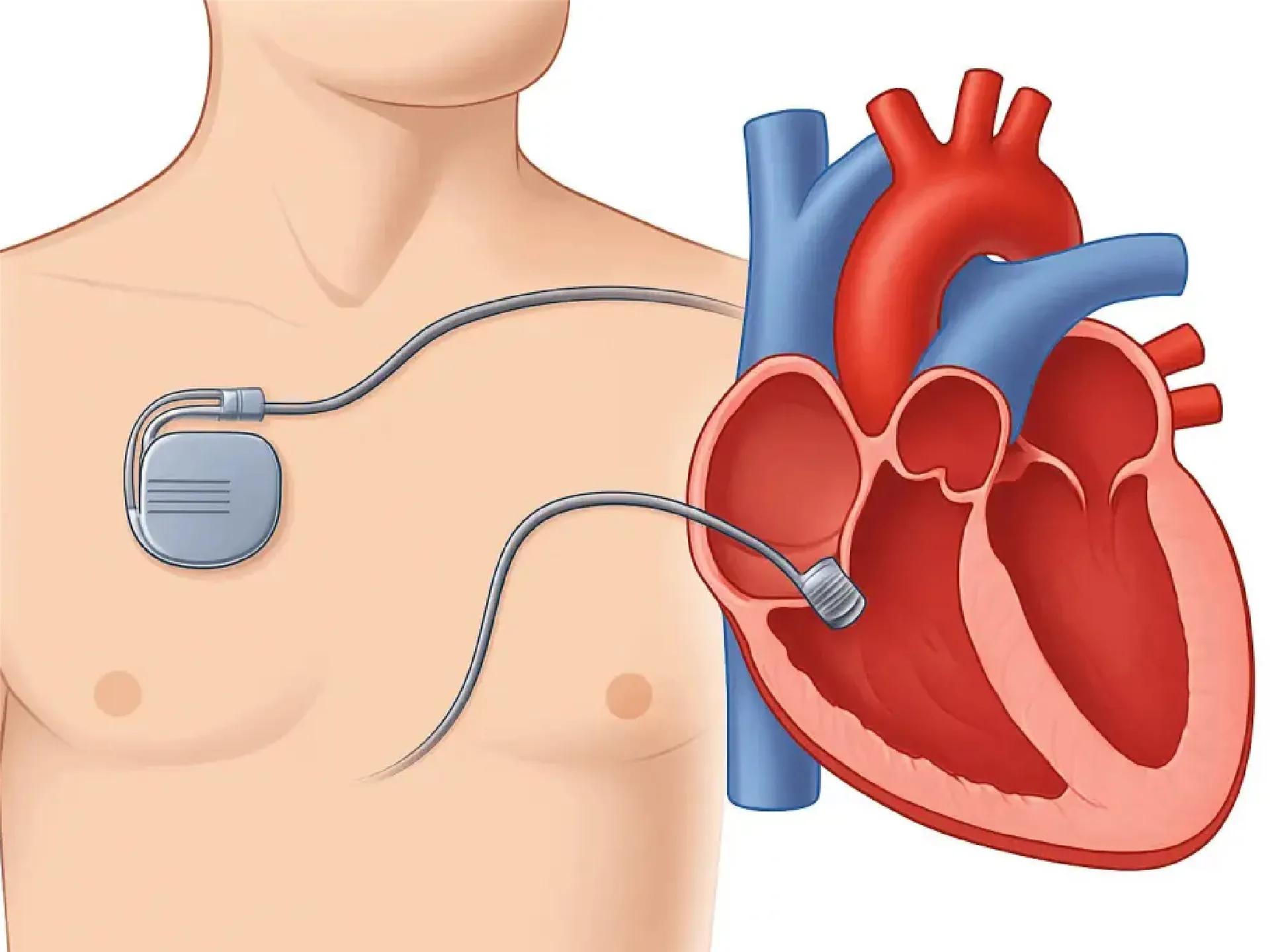
In Which Situations Is Lead Extraction Needed?
These include:
Infection
Lead damage or malfunction
Vascular occlusion
The need to remove old or no longer used leads
How Is the Procedure Performed?
Over the years, leads can adhere to surrounding tissue and scar tissue can form around them. For this reason, their removal may require specialized techniques and equipment. The procedure is performed by an experienced cardiac team capable of managing possible complications, with appropriate hospital infrastructure.
Included
Not included
Assessment and Approach
Care is taken with the following points during the cardiac lead extraction process.
Experienced Cardiac Team
The procedure is performed by a cardiac team with the experience and equipment needed to manage possible complications.
Hospital Setting Prepared for Complication Management
The procedure is performed in an appropriately equipped hospital that offers emergency intervention capability when needed.
Technique Selection Based on Degree of Scar Tissue
The appropriate extraction technique and tools are determined based on the density of scar tissue around the lead.
Close Post-Procedure Follow-up
After the procedure, the patient is closely monitored for possible complications.
How Long Does the Procedure Take?
In suitable patients, removing a problematic lead can provide a safer and more effective treatment option in the long term. The procedure generally takes 1–2 hours, and patients are usually discharged after 2 days.
Clinical Factors Affecting the Assessment
The scope of cardiac lead extraction is based on the combined assessment of the following clinical factors.
Duration the Lead Has Been in the Body
How long the leads have been in place can affect the density of surrounding scar tissue and the difficulty of the procedure.
Reason for Extraction
Factors such as infection, malfunction, or vascular occlusion determine the urgency and planning of the procedure.
Number and Position of Leads
The number of leads to be removed and their position in the body can affect the duration and complexity of the procedure.
General Health Status
The patient's coexisting conditions and general health are taken into account in procedure planning.
The information here is for general informational purposes; the diagnosis and treatment plan are determined following an individualized assessment.
Frequently asked questions about Interventional Electrophysiology
Cardiac lead extraction is the procedure of removing the thin leads that connect a pacemaker or ICD to the heart from the body using specialized techniques, for reasons such as infection, damage, malfunction, or vascular occlusion.
Device or lead infection, damage to or loss of function of the lead, vascular occlusion, or the presence of old leads that are no longer needed can necessitate an extraction procedure.
Over time, scar tissue can form around the leads; this tissue can cause the lead to adhere to vascular and cardiac tissue, making the extraction procedure technically more challenging.
The procedure is performed by an experienced cardiac team in a hospital equipped to manage possible complications.
The procedure generally takes 1-2 hours; in selected cases, patients are discharged after approximately 2 days.
This depends on the reason for extraction and the patient's clinical condition; some patients may need a new lead or device system implanted, while others may not.
Get in touch with us for an evaluation
Send your appointment request; we'll let you know about the evaluation process suited to your complaint and needs.