
CRT – What Is Cardiac Resynchronization Therapy?
CRT is a specialized therapy used in certain patients with heart failure who have a marked disturbance in the heart's electrical conduction. In some heart failure patients, the heart's ventricles cannot contract simultaneously and in a coordinated manner. This can be more pronounced in electrical conduction problems such as left bundle branch block. The goal of CRT is to help the ventricles contract in a more coordinated way.
- Subcutaneous Device Implantation
- Implantation Method
- Local Anesthesia
- Anesthesia Type
- Usually One Night of Observation
- Hospital Stay
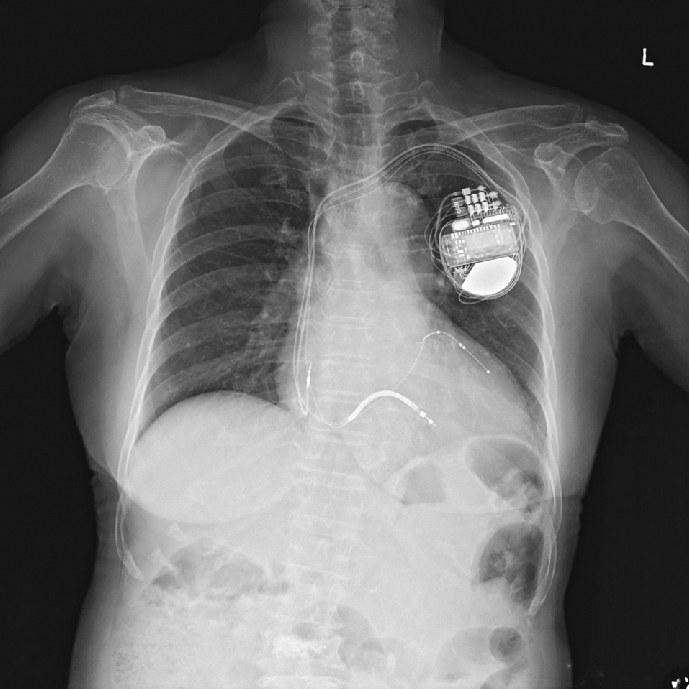
How Is CRT Applied?
It can be applied in two different forms:
CRT-P
A pacemaker that synchronizes the heart's contraction in heart failure
CRT-D
A device that includes defibrillator capability against sudden rhythm disorders in addition to cardiac resynchronization therapy
What Can CRT Help With?
In suitable patients, CRT may help reduce symptoms, improve the heart's pumping function and quality of life, and reduce hospital admissions.
Included
Not included
Assessment and Approach
Care is taken with the following points during CRT assessment and the implantation process.
Detailed Functional Assessment with Imaging
Left ventricular function, dimensions, and contraction pattern are examined in detail with echocardiography.
Electrocardiographic Examination
QRS duration and morphology are evaluated to reveal the nature of the interventricular conduction delay.
Holistic Assessment of the Heart Failure Treatment Process
The CRT decision is considered together with the heart failure follow-up process, taking into account the patient's current medication regimen and overall clinical course.
Post-Procedure Follow-up and Device Optimization
After the device is implanted, programming settings are reviewed at regular check-ups according to the patient's clinical course.
How Long Does the Procedure Take?
The procedure generally takes 1–2 hours, and patients are usually discharged the following day.
Clinical Factors Affecting the Assessment
The suitability of CRT is not based on a single criterion but on the combined assessment of the following clinical factors.
Left Ventricular Function and Ejection Fraction
Echocardiographic measurements are one of the key reference points in determining the need for device therapy.
ECG Findings and QRS Duration
QRS duration and morphology provide information on the degree of interventricular synchronization disturbance.
Coexisting Conditions and General Health
Kidney function, other chronic conditions, and general health are taken into account during procedure planning.
Response to Prior Treatments
The patient's response to current medical therapy and the course of symptoms are an important part of the assessment process.
The information here is for general informational purposes; the diagnosis and treatment plan are determined following an individualized assessment.
Frequently asked questions about Interventional Electrophysiology
CRT (Cardiac Resynchronization Therapy) is a specially programmed device therapy implanted in the body to support simultaneous contraction of the right and left ventricles. The goal is to support the coordination of the heart's pumping action.
CRT is generally considered in selected heart failure patients with reduced left ventricular function, a left bundle branch block pattern and wide QRS duration on ECG, and persistent symptoms despite optimal medical therapy.
In some heart failure patients, a delay in electrical conduction between the ventricles can disrupt the coordination of the heart's contraction. CRT is a device therapy aimed at supporting this coordination.
The procedure is performed under local anesthesia; leads are placed via the venous route into the right atrium, right ventricle, and, through the coronary sinus, the left ventricular region, while the device is implanted under the skin of the chest.
CRT-P is a pacemaker that provides only the resynchronization function; CRT-D includes this function plus a defibrillator capability that can respond to fast rhythm disorders. Which one is appropriate is determined through clinical assessment.
After the procedure, the patient is kept under observation for a period and the device settings are programmed. Afterward, device checks are performed at regular intervals, and settings are updated as needed based on the patient's clinical condition.
Get in touch with us for an evaluation
Send your appointment request; we'll let you know about the evaluation process suited to your complaint and needs.