
What Is TriClip?
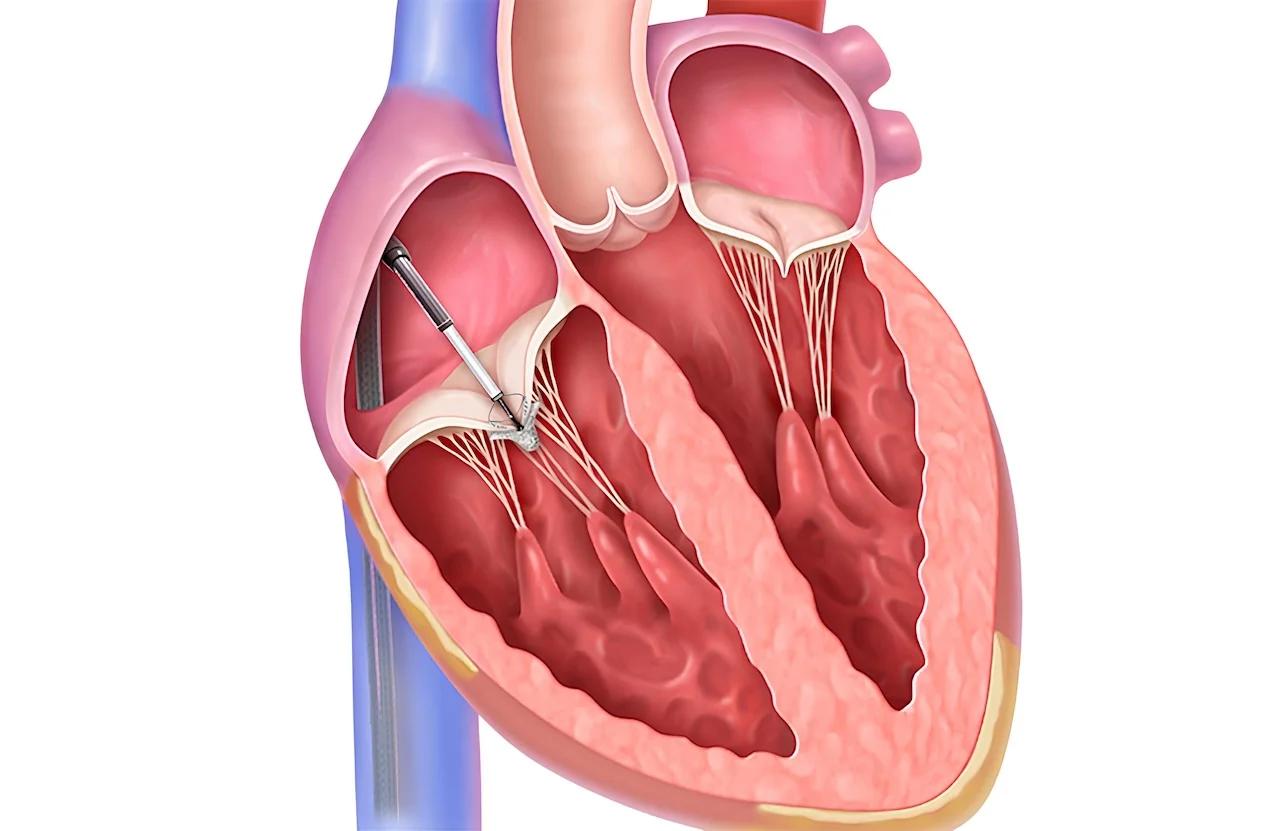
TriClip is a catheter-based method, requiring no surgery, used to treat tricuspid valve regurgitation that results from the tricuspid valve not closing completely. During the procedure, a small clip is delivered to the heart, usually via a thin catheter advanced from a vein in the groin. The clip brings the tricuspid valve leaflets closer together, allowing the valve to close more effectively and reducing the amount of blood that leaks backward.
- 1-2 Hours
- Procedure Duration
- General Anesthesia
- Anesthesia Type
- Next Day
- Discharge
Who May Be a Candidate?
TriClip may be considered, in particular, for the following selected patients:
Those with pronounced symptoms
Those whose tricuspid valve structure is suitable for the procedure
Those at high risk for open-heart surgery
Those whose symptoms persist despite appropriate medical therapy
Potential Benefits
Potential benefits of TriClip:
Included
- May reduce tricuspid valve leakage
- May reduce shortness of breath and fatigue
- May reduce leg swelling
- May increase exercise capacity
- May improve quality of life
- May help suitable patients avoid open-heart surgery
Not included
In Summary
TriClip, or Transcatheter Edge-to-Edge Repair (T-TEER), is a treatment option without surgery for suitable patients with advanced tricuspid valve regurgitation.
How Long Does the Procedure Take?
The procedure usually takes 1–2 hours, and patients are generally discharged the following day.
Factors Affecting the Evaluation
The suitability of TriClip is based on the combined assessment of the following clinical factors.
Severity and Mechanism of Tricuspid Regurgitation
The severity of the regurgitation and the underlying mechanism directly affect the treatment approach.
Valve Anatomy
Leaflet structure and mobility determine the technical feasibility of clip placement.
Right Ventricular Function
Right heart function plays an important role in the procedure decision and in assessing expected benefit.
Surgical Risk Profile
Comorbidities and general health status influence the choice between TriClip and surgical repair.
The information here is for general informational purposes; the diagnosis and treatment plan are determined following an individual assessment.
Frequently asked questions about Structural Heart Interventions
TriClip is a minimally invasive treatment method applied via catheter in patients with severe tricuspid regurgitation, aiming to reduce the leakage by bringing the valve leaflets closer together.
T-TEER stands for Tricuspid Edge-to-Edge Repair, the general term for treatments such as TriClip that bring the valve leaflets closer together.
TriClip is considered for selected patients with severe symptomatic tricuspid regurgitation, suitable valve anatomy, and particularly those considered to be at high surgical risk.
The procedure is usually performed through a vein in the groin; the clip, delivered by catheter, is placed on the tricuspid valve leaflets under imaging guidance.
TriClip is performed via catheter without opening the chest, whereas surgical repair requires open-heart surgery. The choice is determined by valve anatomy and surgical risk profile.
After the procedure, the degree of regurgitation and right heart function continue to be monitored at regular intervals with echocardiography.
Get in touch with us for an evaluation
Send your appointment request; we'll let you know about the evaluation process suited to your complaint and needs.