
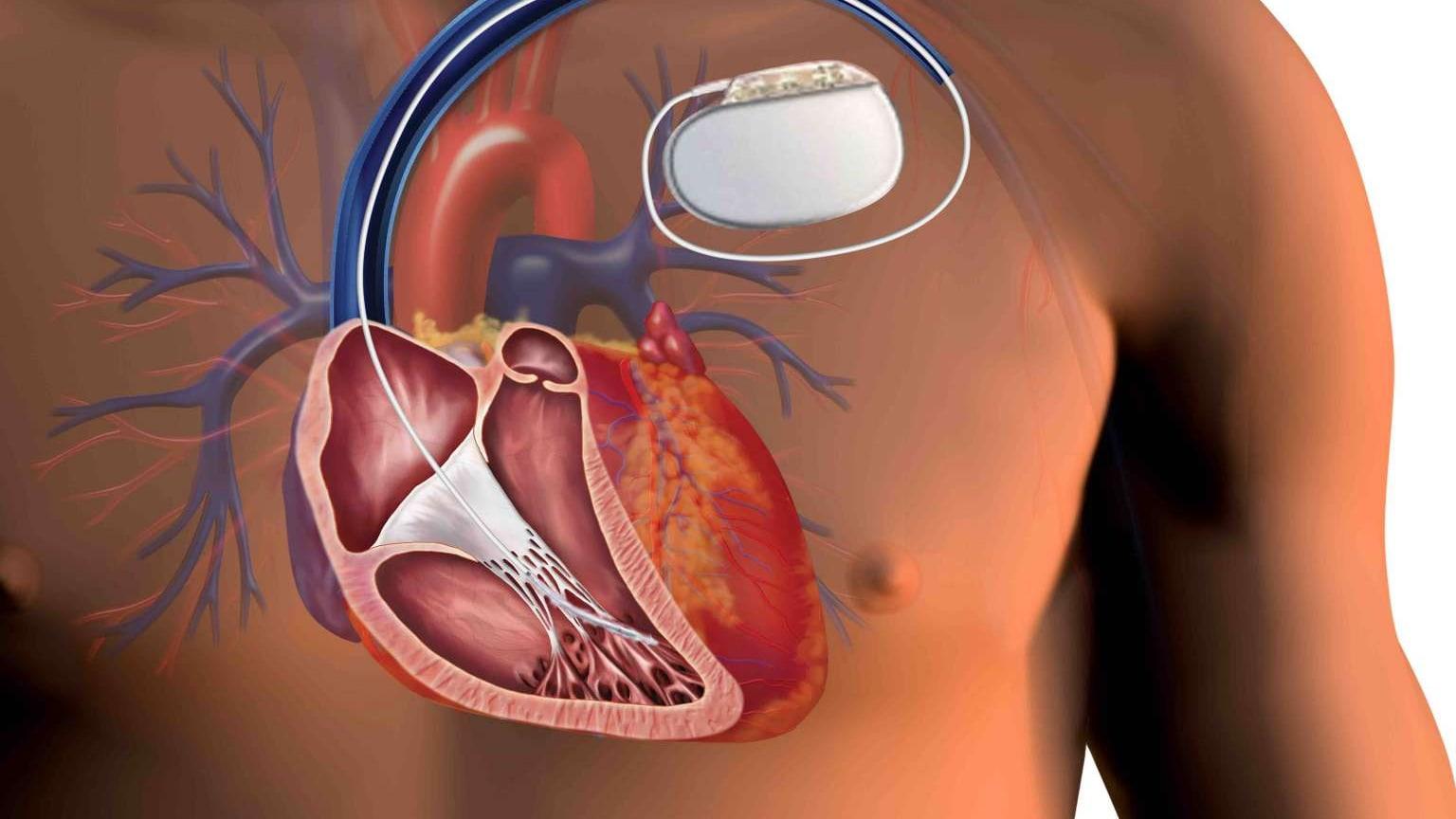
An Implantable Cardioverter-Defibrillator (ICD) is a device that continuously monitors heart rhythm and, when it detects potentially life-threatening rhythm disturbances such as ventricular tachycardia or ventricular fibrillation, treats them with low-energy pacing (ATP) or, if needed, an electrical shock. After the device is implanted, there are certain points to know, from caring for the procedure site to returning to daily activities and regular device checkups. This article covers practical information about life after an ICD.
What Is an ICD? A Brief Reminder
An ICD is typically placed under the skin of the front chest wall, most often in the left pectoral region, under local anesthesia and sedation; one or more leads are advanced to the heart through a vein. After placement, the device's sensing and treatment thresholds are tested and programmed.
The First Days After the Procedure
After the procedure, the patient is generally kept under observation overnight; discharge is planned after the device position and lead placement are checked with imaging. In the first days, mild swelling, bruising, or tenderness at the area under the arm where the device was placed is normal and generally subsides on its own over time.
Not raising the arm on the procedure side above shoulder level for a few days, and keeping the area dry and clean, supports the healing process.
Return to Daily Life
Most patients gradually return to their daily activities within a few weeks, with their doctor's approval. It is recommended to follow the timeframe set by the physician for heavy lifting and sports that strain the arm.
Everyday electronic devices such as mobile phones and household appliances generally do not harm the ICD; however, it is recommended to stay away from certain industrial equipment that generates strong magnetic fields, and to consult the physician following the device in case of uncertainty.
What to Do If the ICD Delivers a Shock?
The ICD detecting and treating a dangerous rhythm disturbance is a sign that the device is doing its job. Even if the patient feels well after a single shock, it is recommended that they report the situation to the physician following the device.
In cases of repeated shocks within a short period, or loss of consciousness or marked weakness accompanying a shock, urgent medical evaluation is required without delay.
Regular Device Checkups
After ICD implantation, the device's sensing performance, battery life, and lead function are monitored through checkups performed at certain intervals. At some centers, device data can be followed regularly through remote monitoring systems; these systems can help reduce the frequency of hospital visits.
When Should You See a Doctor?
If any of the symptoms below are noticed, it is important to see a doctor without delay.
- Increasing redness, discharge, warmth, or fever at the device site
- Unexpected increase in swelling or severe pain
- A sensation of repeated shocks within a short period
- A feeling of fainting or loss of consciousness
- Chest pain or shortness of breath
ICD ID Card and General Recommendations
Patients are generally given a device ID card; this card should be shared with relevant staff in situations such as airport security checks, dental treatments, or visits to another healthcare facility. Since the feasibility of tests such as magnetic resonance imaging (MRI) can vary depending on the device model, the physician following the device must always be informed before such a test.
Frequently asked questions
Although recovery time varies from person to person, most patients gradually return to their daily activities within a few weeks, with their doctor's approval.
If you feel well after a single shock, it is sufficient to report the situation to the physician following your device. In cases of repeated shocks within a short period or loss of consciousness, urgent medical evaluation is required without delay.
Everyday electronic devices such as mobile phones and TV remote controls generally do not affect the ICD. Caution is recommended regarding contact with certain industrial equipment that generates strong magnetic fields, and consulting the physician following the device.
No. A pacemaker provides regular stimulation of the heart in slow rhythm disturbances, while an ICD is used to detect and treat fast, potentially life-threatening ventricular rhythm disturbances. Some devices can combine both functions.
Battery life varies depending on the device model and intensity of use. A decreasing battery is detected during regular checkup visits, and the timing of generator replacement is determined based on this monitoring.
If signs of infection such as redness, discharge, or fever at the device site; a sensation of repeated shocks within a short period; fainting or loss of consciousness; or chest pain or shortness of breath are noticed, a doctor should be consulted without delay.