
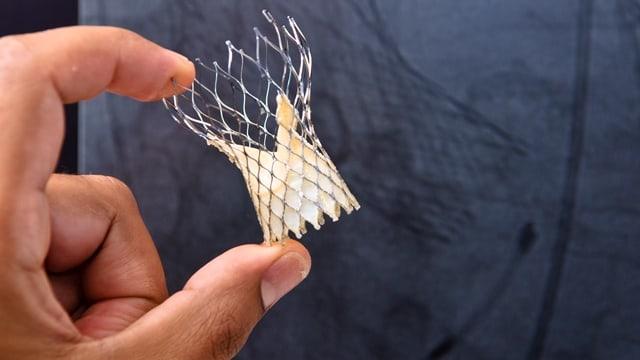
Transcatheter Aortic Valve Implantation (TAVI) is a minimally invasive method for treating advanced aortic valve stenosis without the need for open-heart surgery, placing a new valve via a catheter typically advanced through an artery in the groin. After the procedure, there are certain points to pay attention to, from caring for the access site to gradually increasing activity and regular valve and rhythm follow-up. This article covers what to know during the recovery process after TAVI.
What Is TAVI? A Brief Reminder
In TAVI, the new valve is delivered to the heart via a catheter typically advanced through the femoral artery in the groin, and is placed within the damaged aortic valve. The chest is not opened, and the patient does not require a heart-lung machine; the procedure can generally be performed under sedation without the need for general anesthesia.
The First Days in Hospital
After the procedure, the patient is kept under observation for a while; during this period, the function of the new valve is closely monitored with echocardiography, and heart rhythm with ECG and monitoring. The area where the catheter was inserted (usually the groin) is checked regularly.
Patients are generally discharged 2-3 days after the procedure, once their clinical condition is deemed appropriate by the physician. The time to discharge can vary from person to person depending on how the procedure went and any accompanying health issues.
The First Weeks After Discharge
After discharge, it is generally recommended to keep the access site dry and clean, and to avoid heavy lifting and movements that would put pressure on the area. Return to activities should be gradual, following the instructions given by the physician.
- Keeping the access site dry and not wetting it without the doctor's approval
- Avoiding heavy lifting and movements requiring intense effort in the first days
- Returning to daily activities gradually, at the pace determined by the physician
- Keeping the written instructions and medication list given at discharge
Return to Daily Life
Complaints such as shortness of breath and reduced exercise capacity due to aortic valve stenosis can improve over time as valve function recovers; however, this process and its extent vary from person to person and continue to be assessed by the physician. Light-paced activities such as walking can generally be started gradually in the early period.
The timing of return to work and a more intense daily routine is determined based on general health status, age, and the physician's assessment.
Regular Checkups and Follow-Up
After TAVI, valve function and heart rhythm continue to be monitored with echocardiography and ECG performed at regular intervals. In some patients, the heart's electrical conduction system may be temporarily or permanently affected after the procedure; this is assessed at follow-up visits, and a pacemaker may rarely be needed.
Taking blood-thinning medications regularly and as directed by the doctor is important for the new valve to maintain healthy function; the dose or duration should not be changed without consulting the physician.
When Should You See a Doctor?
If any of the symptoms below are noticed, it is recommended to contact your physician or the nearest emergency department without delay.
- Increasing swelling, persistent bleeding, or spreading bruising at the access site
- Fever, chills, or redness/discharge at the access site
- An unexpected increase in shortness of breath or a feeling of discomfort in the chest
- Dizziness, a feeling of fainting, or noticeable palpitations
- A noticeable irregularity in the pulse
Frequently asked questions
After the procedure, patients are generally kept under observation for 2-3 days; the time to discharge can vary depending on the clinical course and the physician's assessment.
Light-paced activities can generally be started gradually in the early period; for activities requiring heavy effort and a return to a full day, it is recommended to follow the timeframe set by the physician.
The function of the new valve continues to be monitored with echocardiography performed at regular intervals, and heart rhythm with ECG.
Rarely, the procedure can temporarily or permanently affect the heart's electrical conduction system; this is assessed at follow-up visits, and pacemaker implantation may be considered if necessary.
To support valve health, blood-thinning medication is generally recommended for a certain period; the type of medication, dose, and duration are determined individually by the physician.
If increasing swelling or bleeding at the access site, fever, increased shortness of breath, chest pain, dizziness, a feeling of fainting, or an irregular pulse is noticed, a physician should be consulted without delay.