
What Is an ICD?
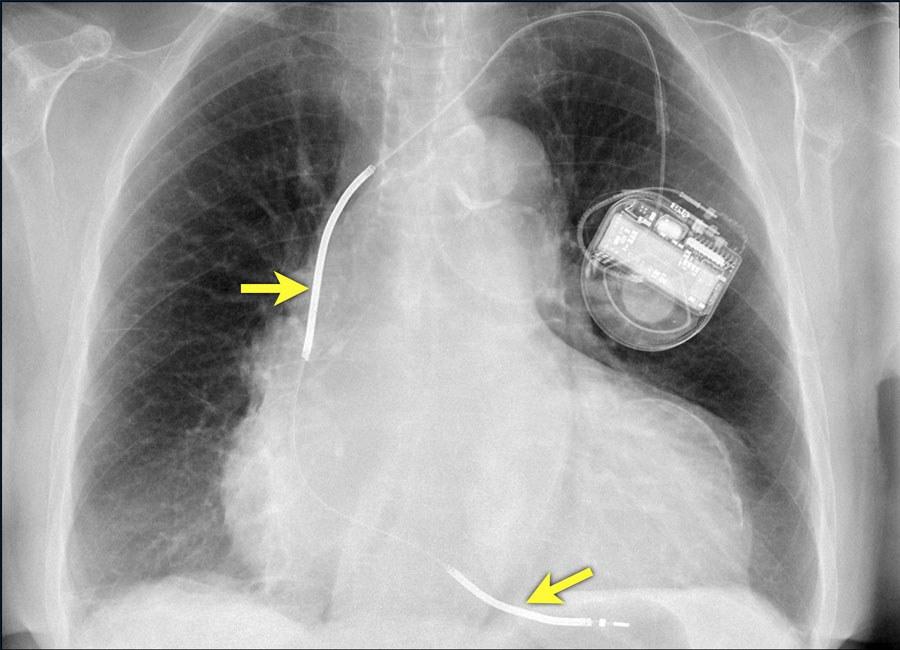
An ICD (Implantable Cardioverter-Defibrillator) is a specialized cardiac device used to detect and, when necessary, treat serious heart rhythm disorders that can be life-threatening. The device continuously monitors the heart's rhythm. When dangerous rhythms such as ventricular tachycardia or ventricular fibrillation occur, it helps the heart return to a normal rhythm.
- Local Anesthesia + Sedation
- Anesthesia Type
- Venous/Catheter-Based Placement
- Implantation Method
- Usually One Night of Observation
- Hospital Stay
Who May Be Considered for an ICD?
An ICD may particularly be considered in the following patients:
Those who have previously experienced cardiac arrest
Patients who have had ventricular tachycardia
Patients with severely reduced cardiac pumping function and a high risk of sudden cardiac death
Patients with certain inherited or structural heart conditions that carry a risk of sudden death
How Does an ICD Provide Treatment?
An ICD provides treatment through two main methods.
Included
- Anti-Tachycardia Pacing (ATP): Some fast, dangerous heart rhythms can be terminated with low-energy electrical impulses. With this method, the patient usually does not feel a shock.
- Defibrillation Therapy: When necessary, the ICD can deliver a high-energy electrical shock to help the heart return to a normal rhythm.
Not included
Assessment and Approach
The decision to use an ICD is shaped by a multi-faceted review of the patient's clinical picture.
Comprehensive Clinical and Imaging Assessment
Ejection fraction, cardiac structure, and the underlying condition are examined in detail using echocardiography and other necessary imaging methods.
Electrophysiological Risk Analysis
When deemed necessary, the risk of rhythm disorder can be assessed in more detail with an Electrophysiological Study (EPS).
Multi-Disciplinary Clinical Assessment
The patient's overall clinical condition is considered as a whole, with input from cardiology, heart failure specialists, and other disciplines when needed.
Regular Post-Procedure Follow-up
After device implantation, sensing performance, battery life, and lead function are monitored with regular check-ups.
How Is the Procedure Performed?
The procedure generally takes 30–60 minutes, and patients are usually discharged the following day.
Clinical Suitability Assessment
Whether ICD implantation is appropriate is determined not by a single criterion but by multiple factors assessed together based on the patient's overall clinical picture.
Cardiac Function and Ejection Fraction
Cardiac pumping function, as measured by echocardiography, is one of the key reference points in determining the device indication.
Underlying Heart Disease and Rhythm History
A prior heart attack, heart failure, genetic/structural heart disease, or a previous history of rhythm disorder is included in the assessment.
Coexisting Systemic Conditions
Kidney function, coagulation status, and other systemic conditions are reviewed with respect to procedure planning and timing.
Vascular Structure and Prior Procedure History
The suitability of the venous access route, along with any history of a previously implanted pacemaker or device, guides the procedure plan.
The information here is for general informational purposes; the diagnosis and treatment plan are determined following an individualized assessment.
Frequently asked questions about Interventional Electrophysiology
An ICD (Implantable Cardioverter-Defibrillator) is a device that continuously monitors the heart's rhythm and activates when it detects rhythm disorders that can pose a life-threatening risk, such as ventricular tachycardia or ventricular fibrillation. When a dangerous rhythm is detected, the device first attempts to correct the rhythm with fast electrical impulses (ATP); if this is not sufficient, it delivers an electrical shock.
An ICD may be considered in patients with serious heart failure and a low ejection fraction, those who have previously experienced a life-threatening ventricular rhythm disorder, or those who carry a rhythm risk due to certain genetic/structural heart conditions. Patient-specific suitability is determined following a detailed cardiological assessment.
The procedure is generally performed under local anesthesia with sedation. One or more leads are placed in the heart via a catheter-based technique through the venous route; the device itself is positioned under the skin of the anterior chest wall, usually in the left pectoral region. After placement, the device's sensing and treatment thresholds are tested and programmed.
No, the two are used for different purposes. A pacemaker provides regular pacing of the heart in slow rhythm disorders (bradycardia), while an ICD is used to detect and treat fast, potentially life-threatening ventricular rhythm disorders. Some devices can combine both functions; this is determined through an individualized assessment.
Yes, after ICD implantation, the device's sensing performance, battery life, and lead function are monitored through device checks performed at set intervals. The frequency and content of follow-up are planned according to the patient's clinical condition.
Procedure time can vary depending on the patient's clinical condition and the device type. After implantation, a one-night observation period is generally applied; discharge is planned after lead position is confirmed by imaging.
Get in touch with us for an evaluation
Send your appointment request; we'll let you know about the evaluation process suited to your complaint and needs.